Expert Real Estate Team: Your Trusted Source for Up-to-Date Real Estate Knowledge

Welcome to the Expert Real Estate Team blog! Whether you're a seasoned realtor, a homeowner looking to sell, or a first-time buyer embarking on your real estate journey, we're here to be your trusted source of valuable information. 

Our blog is packed with insightful articles and expert advice on a wide range of real estate topics. We cover everything from market trends and local insights to navigating the buying and selling process, financing options, and homeownership tips. 

Here's what you can expect:

  • Realtors: Stay ahead of the curve with market updates, marketing strategies, legal and regulatory changes, and expert tips to elevate your real estate career. 
  • Sellers: Get inside knowledge on preparing your home for sale, maximizing your return on investment, and navigating negotiations with confidence. 
  • Buyers: Learn about different mortgage options, discover the secrets to successful homefinding, understand local market dynamics, and make informed decisions. 

Our goal is to empower you with the knowledge and tools you need to achieve your real estate goals. We believe in fostering a community of informed and confident real estate professionals and homeowners. 


Aug. 6, 2026

What to Expect When Buying a Home in Le Jardin, Greer, SC


The median home price in Greer, SC sits around $335,000, with homes spending roughly 65 days on the market. If you're looking at Le Jardin, understand going in that you're in a completely different tier - one that operates well above those numbers in every respect. It stands out as one of the best neighborhoods in Greer, SC.

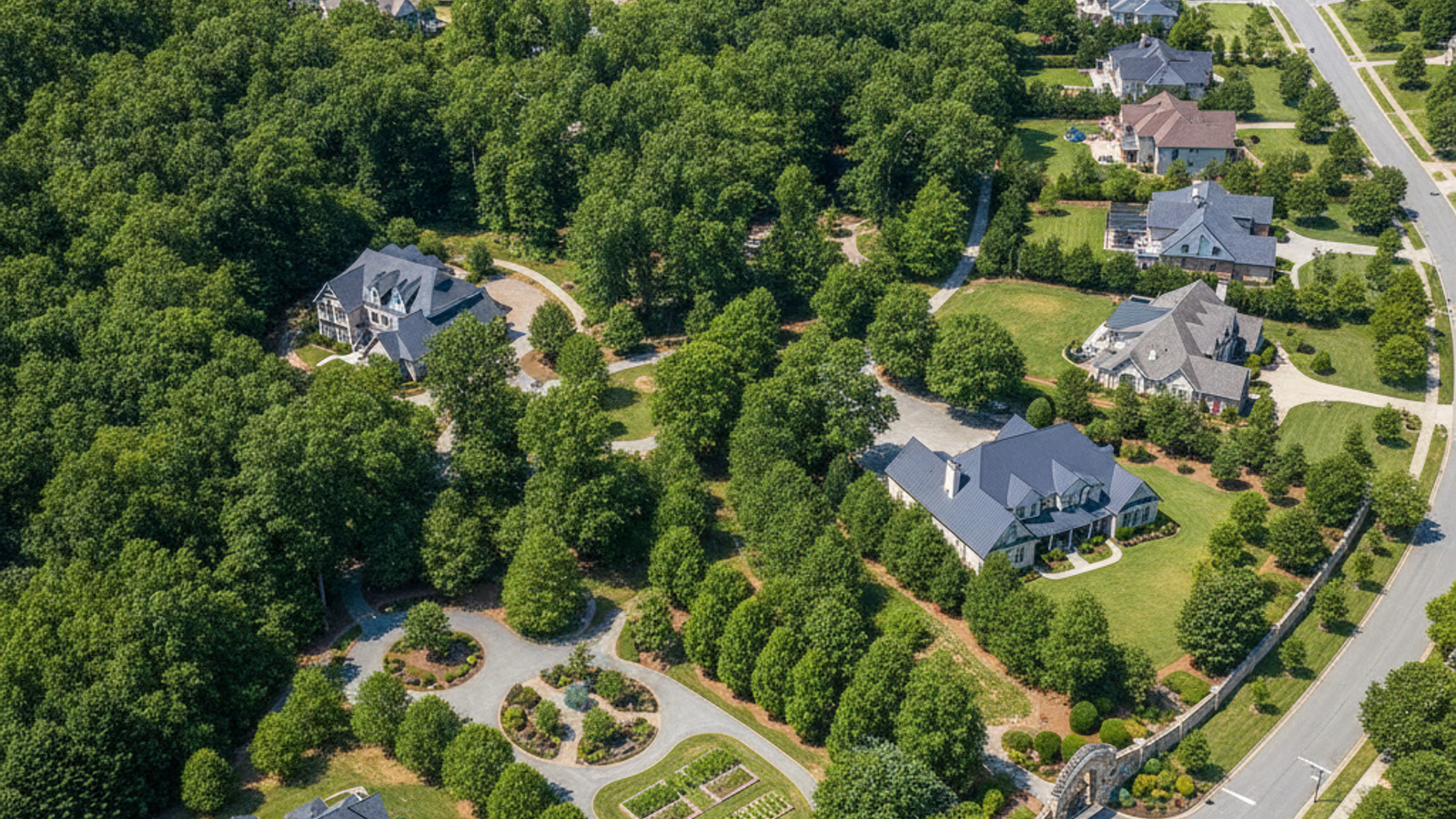
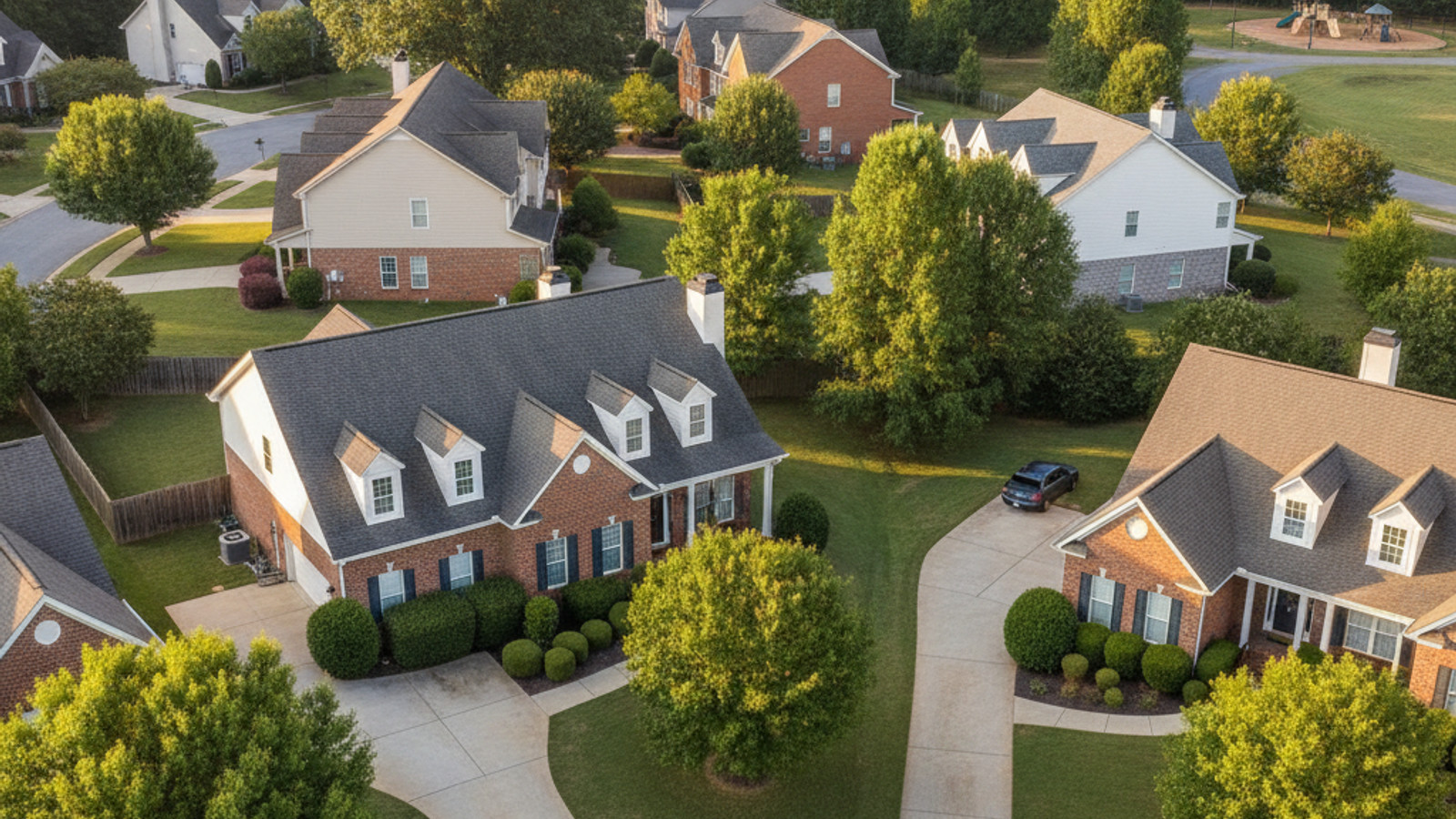
Located at the intersection of Adaliz Way and E. Howell Road, Le Jardin is a luxury gated community offering custom estate homes and vacant lots ready for new construction. Here's what you actually need to know about property values, daily life, and how the surrounding Greer area works.


An Overview of the Le Jardin Community

Le Jardin spans 55 acres just over the Spartanburg County line, mapped out for exactly 64 homesites. The emphasis here is space and custom architecture - not the kind of density you'd find in a typical subdivision.

The grounds skip the massive clubhouse in favor of outdoor living. Pocket parks, walking trails, and a community garden make up the common amenities. It's a setup that works well given the Upstate climate, but more on that later.

Location-wise, you're close to GSP International Airport, BMW Manufacturing, and Michelin. All short drives from the front gates.

How This Neighborhood Fits Into Greer

Greer's active inventory sits at around 274 homes right now, representing about 4.1 months of supply. Le Jardin accounts for the upper end of that market - buyers who want large-scale custom builds on real acreage, not quarter-acre lots with six feet between houses.

The location splits the difference between suburban privacy and city access. You can commute to Downtown Greenville without much trouble, or stay local and head into Downtown Greer for shopping and dining.


Real Estate and Property Types

Every home in Le Jardin is a custom, architect-designed estate. Many of the existing houses were built by Stoneledge Luxury Homes, and the average finished property comes in at about 4,599 square feet. These aren't production homes with a few upgrade options - they're built to individual specifications on individual lots.

You have two paths here: buy a finished home, or purchase a vacant lot and build your own design. The lots range from half an acre to a full acre, which is what gives the neighborhood that genuine sense of separation between neighbors.

Current Home Prices and Lots for Sale

Prices vary widely because you're mixing vacant land with finished custom homes in the same MLS pool. The average list price across current listings runs roughly $1,249,250.

Vacant lots start around $198,500. Finished homes can list for up to $2,300,000. For historical context, custom homes that closed between 2022 and 2025 sold in the range of roughly $1.43 million to $2.20 million. That's a reasonably tight band for a neighborhood at this price point, which tells you demand has been consistent.


Daily Life, Dining, and Commuting

The neighborhood sits near Greer's Eastside and the Wade Hampton Boulevard corridor - which means grocery stores, pharmacies, and everyday errands are a straightforward drive, not a project. Commuters have direct access to Wade Hampton Boulevard and nearby interstates for reaching surrounding cities.

Downtown Greer, also known as Greer Station, is your closest local hub for restaurants and entertainment.

Local Restaurants and Everyday Dining

Greer Station has several solid sit-down options just minutes from Le Jardin. Rick Erwin's Greer handles steaks, L'Incanto covers Italian, and Cafe on Trade rounds out the more formal side of things. For casual nights, The Southern Growl, Pastavino, SELECT Restaurant, and Wild Ace Pizza & Pub are all close by.

Land listings near the neighborhood tend to mention this access to restaurants and shops specifically - it's a genuine selling point, not filler.


Schools, Healthcare, and Local Climate

Buyers evaluating this area will find major medical options nearby. The closest are Prisma Health Greer Memorial Hospital at 830 S Buncombe Road and Pelham Medical Center. Within roughly seven miles, you also have Prisma Health Patewood Hospital and St. Francis Eastside for more specialized care.

Worth knowing before you're looking for it.

Zoned Public Schools

Le Jardin falls within the Riverside School District. Homes here are zoned for Woodland Elementary, Riverside Middle School, and Riverside High School. That said, always verify current attendance-zone maps directly with the district before you close - zones do change, and listing sites aren't always current.

Greer Weather Patterns

Upstate South Carolina gives you four real seasons. Summers are hot, winters are relatively mild - nothing dramatic on either end. It's a climate that works well for a neighborhood built around outdoor amenities. The walking trails and community garden aren't just features on a brochure; the weather actually lets you use them most of the year.


Frequently Asked Questions

What are the current HOA fees for Le Jardin in Greer, SC, and what neighborhood amenities do they cover?

HOA dues aren't consistently reported across listing sites, so ask your agent to pull the current fee schedule directly. What's clear is that the community is HOA-governed and gated, and dues maintain the 55-acre grounds, pocket parks, walking trails, and community garden.

Do I have to use a specific approved builder for a custom home in Le Jardin, or can I bring my own?

It depends on the specific lot and current developer guidelines. Many of the existing homes were built by Stoneledge Luxury Homes, but whether you can bring an outside builder is something you'll need to confirm by reviewing the community's architectural covenants.

What are the architectural guidelines and minimum square footage requirements for building in Le Jardin?

The neighborhood requires custom architect-designed estate homes. Specific minimums depend on the HOA covenants, but the average finished home in the community comes in at about 4,599 square feet - so expectations are set accordingly.

Which Greenville County public schools are homes in the Le Jardin neighborhood zoned for?

Homes in Le Jardin are zoned for the Riverside School District, with students assigned to Woodland Elementary, Riverside Middle School, and Riverside High School.

Are there still vacant lots available to build on in Le Jardin, or are buyers mostly limited to resale homes?

There are still vacant lots available. Current listings show lots ranging from half an acre to a full acre, with prices starting around $198,500.

How do property values and lot sizes in Le Jardin compare to other luxury gated communities in the Greer area?

Le Jardin sits well above the broader Greer median of $335,000. Finished homes here have historically closed between $1.43 million and $2.20 million, on half-acre to one-acre lots. That combination of price point and lot size puts it in a distinct category within the local market.
Posted in Buying
Aug. 6, 2026

Real Estate and Daily Life in Sugar Creek, Greer, SC


Sugar Creek sits just off Pelham Road in Greer, SC, with Interstate 85 a few minutes away. It consistently ranks among the best neighborhoods in Greer, SC. That location matters more than it might sound - it puts downtown Greenville and Greenville-Spartanburg International Airport within straightforward reach without fighting through the worst of the metro traffic.

The broader Greer market is sitting at a median sale price of around $335,000 this year, with homes averaging roughly 65 days on the market. Sugar Creek prices at a different level entirely, and the community's established homes and extensive maintained green spaces are a big part of why.


What to Expect in the Sugar Creek Neighborhood

There's no anchor restaurant or shopping center that defines Sugar Creek. What you get instead is a neighborhood built around its own layout - multiple parks, greenways, and two ponds woven right through the residential streets. It's the kind of place where the community itself is the amenity.

Pelham Mill Park sits just outside the neighborhood and draws residents from across the broader area for outdoor recreation. Inside Sugar Creek, three separate clubhouse and pool complexes serve the community, each maintained by its respective homeowners association.

Getting Around Greer and Beyond

The Pelham Road corridor shapes daily life here. Interstate 85 access takes minutes, which keeps both airport runs and regional travel simple.

That positioning also connects you directly to employment centers in Greenville and Spartanburg without routing you through downtown traffic. For a lot of buyers, that commute math is what closes the deal on this location.


Home Prices and Property Details

Sugar Creek prices higher than the Greer citywide median of $335,000 - sometimes significantly. For 2026, you're looking at a median home price ranging from roughly $575,000 to $700,000 in this specific neighborhood, with lot size and renovation level doing most of the work on where a given property lands in that range.

Late 2025 data showed Sugar Creek's median sale price hitting $690,000, which tells you the demand has been real and consistent.

The wider Greer market carries about 274 available homes right now, representing roughly 4.1 months of supply. Sugar Creek is a small slice of that inventory, and homes here tend to sell near list price. If something well-priced comes up, you don't have a lot of time to think about it.

HOA Zones and Annual Dues

Sugar Creek runs three separate homeowners associations, and which one covers your property affects your dues and how the amenities and rules are managed.

The Sugar Creek Recreation Center (SC1) covers sections 1 and 4, with 2026 dues at $790 per year. The Woody Creek Recreation Association (SC2) covers section 2 at $900 per year. The Stoney Creek Recreation Association (SC3) handles section 3 at $850 annually. All three require payment by May 1, with late fees kicking in after a 10-day grace period. Confirm which association governs any home you're serious about before you get too far down the road.


Dining, Healthcare, and Education

Most of the daily errands and dining options concentrate along the Pelham Road and Wade Hampton Boulevard corridors. Near the Old Spartanburg Road entrance, Crazy Quesadilla handles casual American and Mexican. Farther out on the main corridors, residents lean on Taziki's Mediterranean Café, Copper River Grill, Rick Erwin's Eastside, and Mutts BBQ for regular dining and takeout.

Hospitals and Medical Centers

Prisma Health Greer Memorial Hospital is the closest major medical facility, about 1.6 miles away at 830 S Buncombe Road. It's a short drive for emergency services and specialized care.

Pelham Medical Center at 250 Westmoreland Road adds a second option about 5.2 miles from the subdivision. Between the two, east Greenville County residents have solid coverage.

Local School Districts

Sugar Creek falls under Greenville County Schools. The standard attendance zones for the neighborhood are Buena Vista Elementary, Northwood Middle, and Riverside High School.

That said, school assignments aren't a given just because of your address. District lines shift, and you should confirm your specific zoning directly with Greenville County Schools administration before closing - not after.


Frequently Asked Questions (FAQ)

How much are the HOA fees in Sugar Creek, and what community amenities do they actually cover?

It depends on which section of the neighborhood you're buying in. The community is split into three HOAs - SC1, SC2, and SC3 - with 2026 annual dues ranging from $790 to $900. Those fees cover the pool, clubhouse, and tennis complex specific to your section.

Which Greer area schools are homes in the Sugar Creek neighborhood currently zoned for?

Sugar Creek falls under the Greenville County Schools district. The standard attendance zones are Buena Vista Elementary, Northwood Middle, and Riverside High School. Verify those boundaries directly with the district before you buy - don't rely on what a listing says.

Since Sugar Creek is an established subdivision in Greer, should buyers expect to budget for major home renovations?

It depends on the specific property. With 2026 prices ranging from $575,000 to $700,000 - and renovation level being a key driver of where a home lands in that range - you'll find both updated homes and properties that need work. If you're targeting the lower end of that range, build potential update costs into your budget from the start.

How fast do houses typically go under contract in Sugar Creek compared to the rest of the Greer, SC market?

The broader Greer market sits at a median of 65 days before homes go under contract. Sugar Creek's timeline varies by condition and price point. What I'd tell you is to monitor listings consistently and be ready to move when something well-priced appears - hesitation in this specific pocket tends to cost you the house.

How does buying a home in Sugar Creek compare to newer construction neighborhoods in the Greer and Eastside area?

Sugar Creek is an established neighborhood with mature green spaces, multiple parks, and two ponds already in place. The three clubhouse and pool complexes are built and operational. Newer subdivisions in the area may still be under development, which means the full picture of what you're buying into isn't always visible yet.

Are there strict HOA architectural guidelines or rental restrictions for homeowners living in Sugar Creek?

It depends on which association governs the property. SC1, SC2, and SC3 each operate independently, so the rules on exterior modifications and rental terms aren't uniform across the neighborhood. Get the specific bylaws and covenants for your section and read them before you're under contract, not after.

Aug. 6, 2026

Understanding Mortgage Rates in Greer, SC for 2026 Buyers


The median home price in Greer, SC sits around $335,000 as of mid-2026. Homes are spending roughly 65 days on the market, which gives you a bit of breathing room to actually evaluate your financing options instead of rushing into the first pre-approval you can get. With about 274 homes available locally, you're not being forced to make a panicked decision. This steady pace is ideal for first-time home buyers in Greer, SC.

Securing the right loan matters just as much as finding the right house. Greer straddles both Greenville and Spartanburg counties, and that geographic quirk creates a few specific local factors worth understanding before you start calling lenders.


Current South Carolina Mortgage Rates for Greer Buyers

As of July 30, 2026, the average 30-year fixed mortgage rate in South Carolina is roughly 6.75%, according to Zillow. Other 2026 surveys show rates fluctuating between 6.39% and 6.87% - that's normal day-to-day variation across different lenders, not a sign that something unusual is happening.

If you're drawn to a shorter payoff timeline, 15-year fixed loans are running around 6.125% as of late July 2026. Earlier in the summer, sources like Experian and Bankrate had the 15-year average a touch lower, near 5.95% to 6.02%.

There's a third option worth knowing about. The average five-year ARM rate in South Carolina hit 6.40% in June 2026. That rate holds steady for the initial five-year period, then adjusts - meaning your monthly payment can move after that window closes.


What Determines Your Final Interest Rate

Lenders don't hand out the same rate to every applicant who walks through the door. Your specific Annual Percentage Rate (APR) depends on a mix of personal financial metrics and how the loan itself is structured.

Knowing what underwriters are actually looking at gives you a chance to improve your position before you apply. Review your financial standing before you request pre-approval from anyone.

Credit Scores and Your APR

Your credit score is the primary number lenders use to gauge risk. Higher scores unlock lower rates - that's the whole equation.

Buyers with scores in the upper 700s or above 800 generally see the most favorable terms. If your score is lower, expect a higher rate. The lender isn't being punitive; they're pricing in their perceived risk.

Down Payments and Loan-to-Value Ratios

The size of your down payment directly determines your loan-to-value (LTV) ratio. Put more down, borrow less of the purchase price, get a better rate. Lenders reward lower LTV ratios.

Putting down 20% or more also eliminates the need for private mortgage insurance on a conventional loan - which is a real monthly savings, not just a technicality.

Fixed vs. Adjustable Loan Terms

A fixed-rate mortgage locks your interest rate for the entire life of the loan. Your principal and interest payment stays exactly the same whether you're in year one or year 28. An adjustable-rate mortgage starts with a lower introductory rate for a set number of years, then adjusts annually based on broader market conditions once that period ends. Both structures have their place depending on your timeline.


Common Home Loan Options in Greer

Greer's position across Greenville and Spartanburg counties isn't just a geographic footnote - it directly affects your loan options. Federal loan limits are set at the county level, which determines how much you can borrow before you're into jumbo loan territory.

It's worth comparing several mortgage types against your down payment savings and long-term plans, because each program has distinct qualification rules.

Conventional Loans and Limits

Conventional loans aren't backed by a government agency and typically require a minimum credit score around 620. For 2026, the conforming loan limit for every South Carolina county - including both Greenville and Spartanburg - is $832,750.

Borrow more than $832,750 and you're in jumbo loan territory. Jumbo loans come with tighter underwriting standards and larger required down payments.

FHA Loans for Lower Down Payments

FHA loans are insured by the Federal Housing Administration and allow down payments as low as 3.5%. They're popular among buyers who haven't had the time or income to stockpile a large conventional down payment, and for good reason.

Both Greenville and Spartanburg are FHA floor limit counties - no high-cost designations here. The 2026 national FHA floor limit is $541,287. Verify the exact figure for your specific county through HUD's official lookup tool before you rely on that number.

VA Loans for Veterans

Active-duty military personnel, veterans, and eligible surviving spouses can apply for VA loans backed by the Department of Veterans Affairs. Competitive rates, zero down payment required in most cases, and no private mortgage insurance - that last point alone can make a meaningful difference in your monthly housing costs.


Local First-Time Homebuyer Assistance

Coming up with closing costs and a down payment at the same time is genuinely hard. There are localized resources that can help.

Greenville County and the City of Greenville occasionally offer housing grants and down payment assistance initiatives. These programs frequently target specific revitalization areas or community workers - teachers, police officers, and healthcare professionals. Local grants can often be layered with FHA financing, which makes purchasing more accessible for buyers who qualify. Because funding amounts and eligibility rules change, verify current program details directly with the county housing offices rather than assuming what was available last year is still on the table.


Frequently Asked Questions

How do mortgage rates in Greer compare to the rest of Greenville and Spartanburg counties?

Rates in Greer are generally identical to the rest of Greenville and Spartanburg counties. Lenders price based on state-level averages and your personal financial profile - not your zip code. Your credit score and down payment carry far more weight than your specific address.

What credit score do I need to qualify for the lowest mortgage rates with local Greer lenders?

It depends on the lender, but scores of 740 or higher generally qualify for the most favorable rates. You can secure an FHA loan with a score as low as 580, but lower scores mean higher interest rates. Pull your credit reports before you apply so there are no surprises.

How long can I lock in my mortgage rate while searching for a home in the Greer market?

Most lenders offer rate locks for 30, 45, or 60 days once you're under contract. Some provide longer lock periods for an upfront fee. Since Greer homes are currently averaging 65 days on the market, a standard 45-day lock is usually sufficient once your offer is accepted.

Are there any South Carolina or Greer-specific homebuyer programs that offer below-market interest rates?

Yes. Local and state agencies sometimes offer programs with competitive interest rates or down payment assistance. Greenville County occasionally runs initiatives for specific community workers, and those can be combined with FHA loans. Talk to a local lender or the county housing office to find out what's currently funded.

What happens if I buy a house in Greer now and mortgage rates drop later this year?

You can refinance. Refinancing replaces your current loan with a new one at the lower rate. You'll pay closing costs on the new loan, so the calculation you need to run is how long it takes to break even on those fees given the monthly savings.

Will I get a better mortgage rate using a local Greer credit union versus a big national bank?

It depends on your financial situation and what each institution is currently promoting. Credit unions sometimes offer slightly lower rates or reduced fees to their members. Request loan estimates from both a local credit union and a national bank, then compare the final numbers side by side - that's the only way to know for certain.

Posted in Buying
Aug. 6, 2026

Calculating How Much House You Can Afford in Greer, SC This Year


The median home price in Greer, SC is around $335,000, and available homes are spending roughly 65 days on the market before selling. With about 274 homes in active inventory right now, you have real options - but you need a firm grasp on your budget before you write an offer, not after. This is especially true for first-time home buyers in Greer, SC.

Here's what makes Greer a little different from most markets: the city straddles two counties. A home on the Greenville side carries different tax obligations than one just a mile away in Spartanburg County. That split affects your monthly payment, your escrow estimate, and ultimately what a lender will let you borrow. Understanding how lenders calculate purchasing power using local taxes, insurance rates, and statewide assistance programs will save you from a lot of confusion later.


Figuring Out Your Greer Housing Budget

Lenders don't base your approval on the sticker price of the home. They look at your gross monthly income and your current recurring debts, then work backward to the monthly payment you can actually handle - principal, interest, property taxes, and homeowners insurance, all included. To land on that number, they use standard debt-to-income formulas.

The 28/36 Rule Explained

Most conventional lenders use the 28/36 rule as their baseline. The first number, 28%, is the maximum share of your gross monthly income that should go toward housing costs. If your household earns $8,000 a month before taxes, your total mortgage payment shouldn't exceed $2,240.

The second number, 36%, caps all of your debt combined - your new mortgage payment plus whatever you're already paying on car loans, credit card minimums, and anything else. Some loan programs allow higher limits, but staying within these percentages keeps your monthly budget manageable and your lender comfortable.

Calculating Your Debt-to-Income Ratio

Your debt-to-income ratio - your DTI - is simply the percentage of your gross income going toward debt payments each month. Add up your minimum monthly obligations, divide by your gross monthly income, and that's the number underwriters will scrutinize.

If your existing debts are eating up a large chunk of your income, your approved mortgage amount drops accordingly. Paying down credit cards or an auto loan before you apply directly increases your purchasing power. It's one of the more straightforward levers you can pull before you start shopping.


Local Factors That Impact Your Buying Power

A $335,000 house in Greer won't cost every buyer the same amount each month. Your interest rate, your down payment, the specific county your home sits in, and your insurance premiums all feed into the final monthly figure. Lenders factor in exact county tax rates and regional insurance premiums when deciding what you can borrow - so the address matters more than most buyers expect.

Down Payments and Loan Types

The size of your down payment changes your required loan amount and determines whether you'll be required to carry private mortgage insurance. Conventional loans typically call for higher credit scores but offer more flexibility. FHA loans allow lower down payments for buyers who meet the qualifying criteria.

South Carolina has a handful of programs worth knowing about. The 2026 Palmetto Heroes Program provides $10,000 in forgivable down payment assistance for public service workers. The Palmetto Home Advantage program offers forgivable down payment assistance with a statewide income limit of $140,000. And the First-Generation Homebuyer Program provides qualifying buyers with $10,000 in assistance. If you fall into any of those categories, it's worth asking a local lender about eligibility before you assume you're on your own for the down payment.

Mortgage Interest Rates

Even a modest change in your rate alters your monthly payment and shrinks or stretches your purchasing power. Higher rates reduce the maximum loan amount you can comfortably carry; lower rates give you more room.

Check your credit score early - before you start touring homes. Lenders reserve the best rates for applicants with high scores and low DTI ratios, and improving either one takes time you won't have once you're under contract.

Local Property Taxes and Insurance

Because Greer crosses county lines, your exact address sets your tax rate. Greenville County collects an average of 0.66% to 0.75% of a property's assessed fair market value. Spartanburg County rates run slightly lower, averaging 0.64% to 0.68%.

Homeowners insurance varies by provider and coverage level. In Greer, annual premiums generally range from roughly $900 to $2,100. Your lender will estimate both the tax and insurance figures and roll them into your monthly payment to make sure you can qualify for the full amount - not just the principal and interest.


Extra Costs of Buying a Home in Greenville and Spartanburg Counties

The down payment is only part of the cash you'll need to close. There are also administrative and legal fees due at the closing table, and once you move in, ongoing costs that have nothing to do with your mortgage payment.

Budgeting for these expenses before you start shopping prevents the kind of financial surprise that derails a deal at the worst possible moment.

Closing Costs in Greer

Closing costs in South Carolina average about 3.52% of the home's purchase price, though they can range from 2% to 5% depending on the loan type. On a median-priced $335,000 home in Greer, you should expect to bring roughly $11,700 to the closing table to cover those fees.

Those costs go toward the appraisal, property inspections, title search, loan origination, and related services. You can sometimes negotiate with the seller to cover a portion, but don't count on it - have the funds available regardless.

HOA Fees and Ongoing Maintenance

Many subdivisions in the Greer area have Homeowners Associations that maintain common areas and enforce community rules. HOA dues vary widely by development, and underwriters are required to include those monthly or annual fees in your DTI calculation.

Set aside funds for general maintenance too. Replacing HVAC filters, servicing appliances, and handling minor repairs are expenses that fall entirely on you once you own the home.


How to Get Pre-Approved in Greer

Homes in Greer are selling for an average of 98.8% of their list price. Sellers aren't entertaining tire-kickers - they want buyers who can back up an offer with a pre-approval letter showing that a lender has actually reviewed their finances and is willing to fund the purchase.

Get that letter before you start touring. It tells you your exact price ceiling and keeps you from falling for a property that's outside your approved budget.

Gathering Your Financial Documents

Lenders want detailed documentation to verify your income and assets. Expect to provide recent pay stubs, two years of W-2s, two years of federal tax returns, and recent bank statements proving you have the cash for the down payment and closing costs.

Organizing these files before you sit down with a lender speeds up the underwriting process considerably. It also signals that you're a serious buyer, which doesn't hurt.

Finding a Local Lender

A local mortgage broker or lender brings something an out-of-state platform can't: familiarity with the Greenville and Spartanburg county tax split and the ability to estimate your escrow costs accurately from the start. That matters more in Greer than in a typical single-county market.

A local lender will also know the SC Housing Homebuyer Program, which pairs a 30-year fixed-rate mortgage with a 0% interest, forgivable second loan to help cover down payments or closing costs. If you're eligible, that's a meaningful advantage worth pursuing.


Frequently Asked Questions

What salary do I need to afford a median-priced home in Greer, SC?

It depends on your down payment and current interest rates. With the median home price around $335,000, buyers generally need a gross household income between $80,000 and $100,000 to keep the monthly payment within the standard 28% housing ratio.

How do property taxes differ between the Greenville and Spartanburg county sides of Greer, and how does that affect my mortgage?

The county lines directly impact your monthly payment. Greenville County property taxes average roughly 0.66% to 0.75%, while Spartanburg County averages 0.64% to 0.68%. Lenders calculate your monthly escrow requirement based on the exact county where the house sits.

Do any neighborhoods in Greer still qualify for zero-down USDA rural housing loans?

It depends on the specific address. Central Greer doesn't qualify, but some peripheral areas in Spartanburg and Greenville counties still fall within USDA-eligible zones. Verify the property address on the official USDA map before assuming one way or the other.

How much should I factor in for HOA fees when calculating my housing budget in Greer?

It depends on the subdivision. Many developments in the area charge annual dues for common area maintenance, and underwriters must include those fees in your debt-to-income ratio when determining your maximum loan amount.

What are the average closing costs in Greer, SC, and do I need to pay them out of pocket?

Buyers typically pay these out of pocket unless they negotiate seller concessions. Closing costs in South Carolina average about 3.52% of the purchase price - roughly $11,700 on a median-priced home in Greer.

If I get pre-approved for a certain amount, does that include local Greer property taxes and homeowners insurance?

Yes. A full pre-approval factors in estimated taxes and insurance to make sure you qualify for the total monthly payment, not just principal and interest. The lender will apply the specific Greenville or Spartanburg county tax rate and estimate annual insurance premiums, which typically range from $900 to $2,100 in Greer.

Posted in Buying
Aug. 6, 2026

Buyer Closing Costs in Greer, SC: 2026 Breakdown and Estimates


The median home sale price in Greer, SC sits around $335,000 as of mid-2026. That means most buyers here need to budget well beyond their down payment before they can close - and if you're not expecting those extra line items, they have a way of landing like a punch in the gut right before settlement. This is especially true for first-time home buyers in Greer, SC.

Closing costs cover the administrative, legal, and lending fees required to finalize a purchase. Getting a handle on them early is just good housekeeping.


What You Pay at Closing in South Carolina

Both sides of the transaction have costs, but they're not the same costs. Sellers typically deal with real estate commissions and their share of prorated property taxes. Buyers are mostly absorbing the mortgage origination process, the property appraisal, and the funding of escrow accounts - none of which has anything to do with your down payment. They're entirely separate line items.

Pay cash and the picture changes considerably. You skip all the lender-related fees, though you'll still pay for title work, recording fees, and property taxes. The total drops, but it doesn't disappear.


How Much Buyers Pay in the Greenville-Spartanburg Area

Buyer closing costs in South Carolina typically run between 2% and 5% of the purchase price. Industry estimates from sources like Rocket Mortgage put the state average at about 3.52%.

On a median-priced $335,000 home in Greer, 3.52% works out to roughly $11,792. That number moves up or down based on your loan type, the property's value, and which lender you're working with.

Example Costs on a $300,000 to $600,000 Home

A $300,000 purchase in Greer typically generates somewhere between $6,000 and $15,000 in buyer closing costs. At $400,000, that range shifts to $8,000 on the low end and $20,000 on the high end.

For a $500,000 house, plan for roughly $10,000 to $25,000. At $600,000, you're looking at $12,000 to $30,000 before any seller credits get negotiated into the deal.

Why Location Within Greer Matters

Greer straddles two counties, and that split has real consequences for your prepaid costs at closing. Escrow reserves for property taxes will look different depending on which side of that county line your home falls on.

In the Greenville County portion of Greer, the median effective property tax rate is about 0.67%. On the Spartanburg County side, it's higher - averaging around 0.88%. It's not dramatic, but it's not nothing either.


The Specific Fees Buyers Cover in Greer

Your closing disclosure will run long. Most of what's on it falls into three buckets: lender charges, third-party services, and government recording fees.

Lender fees cover origination charges, application fees, and any points you pay to buy down your rate. Third-party fees handle the appraisal, survey, and title work that has to happen before the property can legally change hands.

Title Insurance Customs in South Carolina

Title insurance protects you against ownership defects in the property's past. Who pays for what in South Carolina is genuinely a mixed answer.

Some sources say it's customary for the seller to cover the owner's title insurance policy while the buyer handles the lender's policy. Others say the buyer typically pays for both. Either way, it's fully negotiable in the purchase contract - so don't assume anything until you've read what you're signing.

Transfer Taxes and Deed Recording

South Carolina charges a statewide deed recording fee that functions as a transfer tax, set at $1.30 per $500 of the property's value. Counties tack on an additional $0.55 per $500, bringing the total to $1.85 per $500.

That combined rate applies equally in both Greenville and Spartanburg counties. There's no separate mortgage tax in the state.

Property Taxes and Escrow Reserves

Lenders require you to fund an escrow account at closing to cover future property taxes and homeowners insurance. You'll typically prepay a full year of homeowners insurance upfront, plus a few months of property taxes.

The exact amount depends on your closing date and the applicable tax rate. A home on the Spartanburg side of Greer - where the effective rate runs around 0.88% - will require slightly higher escrow reserves than a comparable home on the Greenville side at 0.67%.


Who Customarily Pays Which Fees

The purchase contract governs who pays what, and everything in it is negotiable before both parties sign. Customs exist, but they're not laws.

Buyers generally cover loan origination fees, appraisal costs, lender's title insurance, and prepaid escrow funds. Sellers typically pay the real estate agent commissions and deed recording fees - but verify that in your specific contract, not in a general article.

Can the Seller Pay Your Closing Costs?

You can ask the seller to cover a portion of your closing costs through concessions. It reduces your cash requirement at the table.

There are caps, though. Conventional loans typically limit seller concessions to 3% to 6% of the purchase price, and where you land in that range depends on your down payment size.


Ways to Reduce Your Out-of-Pocket Expenses

Shopping lenders is one of the most straightforward levers you have. Origination fees and interest rates vary more than most buyers expect, and comparing a few loan estimates takes an afternoon, not a week.

You can also ask your lender for a credit toward upfront fees. The trade-off is a slightly higher interest rate for the life of the loan - so it's worth running the numbers on how long you plan to stay in the house before you commit to that arrangement.

The local market gives you another option. Greer homes are sitting on the market for a median of 65 days and selling for about 98.7% of list price. That pace gives buyers a reasonable opening to request seller credits without the conversation going sideways.


Frequently Asked Questions

How much should I expect to pay in buyer closing costs on a typical home in Greer, SC?

Expect to pay between 2% and 5% of the purchase price, with the state average around 3.52%. On a median $335,000 home in Greer, that works out to roughly $11,792.

Does buying a house on the Spartanburg County side of Greer versus the Greenville County side change my closing costs?

Yes - it changes your prepaid escrow requirements. The Greenville County side carries a median effective property tax rate of about 0.67%, while the Spartanburg County side averages 0.88%.

Since South Carolina requires a real estate attorney, how much of my Greer closing costs will go toward legal fees?

The exact fee varies by firm. Contact local Greer real estate attorneys directly for a quote based on your specific transaction.

Are there any closing cost assistance programs available for first-time homebuyers in the Greer area?

It depends on your lender and what the state housing finance authority is offering at the time. Ask your loan officer about current state or local grants - program availability fluctuates.

Is it currently common to get sellers to pay for buyer closing costs in the Greer real estate market?

It's possible. With Greer homes averaging 65 days on the market and selling at 98.7% of list price, buyers have some room to negotiate seller concessions into the deal.

Can I roll my buyer closing costs into my mortgage when purchasing a property in Greer?

It depends on your loan program. Some lenders allow you to finance certain closing costs, or offer lender credits in exchange for a higher interest rate - but rolling all fees into a standard conventional loan isn't typically an option.

Posted in Buying
Aug. 6, 2026

The Most Expensive Areas in Greer, SC for 2026 Buyers


Greer, SC sits squarely in the Greenville-Spartanburg metro area, and it's been pulling in buyers who want upscale homes without the price tag of a larger city. As of mid-2026, the median sale price across Greer is roughly $335,000, with properties spending an average of 65 days on the market. There are currently about 274 active listings, representing 4.1 months of supply.

That citywide median tells you something, but the high-end market is a different conversation entirely. Buyers pursuing luxury properties will find custom builds, country club amenities, and gated entries that push values well above that average. If you're serious about the top tier here, you need to know which zip codes and subdivisions actually command the highest premiums among the best neighborhoods in Greer, SC - because not all of Greer is priced the same.


Top-Priced Neighborhoods at a Glance

The luxury market in Greer is concentrated in a handful of specific subdivisions, primarily on the more established west side of the city. Zip code 29650 carries a clear premium over the rapidly growing east side in 29651, largely because of mature trees and legacy developments that simply can't be replicated in newer construction tracts. If you're targeting the highest-end properties, you're almost certainly looking at that western corridor.

Home values in these top-tier pockets start in the upper $400,000s and climb past the $1 million mark without much effort. Inventory is tighter here than in the broader Greer market, and sellers tend to hold firm on pricing - a citywide average sale-to-list ratio of 98.8% backs that up.

Ranked List and Median Prices

Thornblade regularly ranks as the highest-priced neighborhood in the city, with homes consistently pricing in the $750,000-plus luxury category. Sugar Creek follows closely, with a median listing price around $574,650. Pelham Falls rounds out the top tier, with homes typically landing in the upper $400,000s.

Put those figures next to the citywide median sale price of $335,000 and the gap is hard to ignore. Very few homes in these three subdivisions sell for under half a million dollars in 2026, so your budget needs to reflect that before you start touring.

How We Ranked These Areas

These neighborhoods were identified by comparing median listing and sale prices against the citywide baseline. Areas that consistently list homes above the $500,000 mark separate themselves from the rest of the local inventory pretty quickly.

High-end amenities and custom construction were part of the picture too. Private golf courses, classic brick architecture, and gated entries all push price per square foot higher. Lot size, location, and community features combined are what keep these specific subdivisions at the top of the pricing tier year after year.


Inside Greer's Wealthiest Neighborhoods

Each of the top neighborhoods has its own character - active country clubs on one end, quiet tree-lined streets on the other. The architecture leans toward classic brick designs and custom builds by local contractors, and these communities maintain strict architectural guidelines to preserve both property values and neighborhood aesthetics.

Expect larger single-family homes in the 2,800 to 5,000 square foot range. Proximity to Interstate 85 makes these communities a practical choice for professionals commuting anywhere across the Greenville-Spartanburg metro.

Thornblade and Country Club Living

Thornblade is the clearest luxury choice in Greer, full stop. The neighborhood surrounds the Thornblade Country Club, a master-planned community built around an 18-hole golf course designed by Thomas Fazio. Residents have access to eleven tennis courts, a competition-sized swimming pool, and a custom-built clubhouse.

The community includes roughly 370 homes built by various local custom home builders. Prices in the Thornblade subdivision range from $350,000 for smaller footprint homes to over $1,000,000 for expansive golf-course estates.

Gated Communities and Estates

For buyers who want an extra layer of privacy, Greer has options. Within the broader Thornblade area sits Tamaron Parke, an exclusive 16-lot gated community featuring high-end custom homes. You get the country club location with restricted street access - which, for some buyers, is exactly the combination they're looking for.

Other notable gated neighborhoods and club communities include Canebrake, Sugar Mill, Chartwell Estates, and the Greer Country Club area. These subdivisions limit through-traffic and typically carry separate homeowners association fees to maintain private roads and shared amenities.


What Defines an Upscale Area in Greer

Local income levels do a lot of the heavy lifting here. In 2024, the median household income in Greer was $88,765 - 18.5% greater than the South Carolina state median of $72,350. Other census data puts the average annual household income as high as $105,266.

Those numbers matter because they underpin the premium prices you'll find in zip code 29650 and the surrounding luxury enclaves. The local economy gives custom builders the confidence to keep developing high-end properties, and it gives sellers the leverage to hold their prices.

Income and Home Value Benchmarks

Broad luxury listings in the area show an average asking price of $891,180, with high-end properties ranging between $613,755 and over $4 million. That's a long way from the $335,000 citywide median, and it's worth being honest with yourself about where your budget sits before you start touring.

Homes selling above the list price are relatively rare across the city - only about 10.4% of all Greer homes have closed over asking in recent months. In the luxury bracket, expect negotiations to center on inspection details and closing timelines rather than bidding wars.

Amenities That Drive Value

Square footage is only part of the equation. Established areas with mature trees command a premium over newer construction tracts on the east side, and buyers consistently pay more for the feel of a legacy neighborhood - that's not going to change.

Access to private club facilities and proximity to I-85 are primary drivers of value in these specific neighborhoods. Being able to reach Greenville or Spartanburg quickly adds something real and tangible to what you're buying.


Luxury Homes Currently on the Market

The upper end of Greer's market includes large estates and substantial custom builds. While the median days on market for a typical home sits at 65 days, ultra-luxury properties often take longer - the pool of qualified buyers shrinks significantly at the multi-million dollar mark, and that's just the reality of the segment.

Current inventory is a mix of standard single-family houses and a handful of high-end estates, and buyers at the absolute top of the market will find properties that hold their own against luxury listings in much larger cities.

The Highest-Priced Properties

The most expensive home recently listed for sale in Greer is a 7,212-square-foot house carrying a price tag of $3,629,722. Properties at this level come with extensive custom details, premium lots, and specialized architecture throughout.

Separately, foreclosure records show an outlier transaction in Greer for $156,384,608. That figure almost certainly reflects a large commercial or industrial land transfer rather than a residential home sale. For residential buyers, the market caps out in the low single-digit millions.

Zip Code Differences

Where you are within the city limits has a significant effect on pricing. The 29650 zip code on the west side houses the majority of established luxury neighborhoods and carries a higher baseline price - the mature landscaping and legacy country clubs are concentrated there.

The 29651 zip code on the east side is growing rapidly, but it generally features newer, more moderately priced developments. If the high-end market is your focus, center your search on 29650.


Livability and Crime Rates by Zip Code

Crime rates in Greer vary depending on which side of town you're looking at. Across the city, a resident's chance of experiencing a property crime is 1 in 56, and 1 in 282 for violent crime. Neighborhood Scout data shows a fairly clear split between the two main zip codes.

The established west side generally reports lower crime rates than the developing east side. Review local neighborhood statistics when you're narrowing down to a specific subdivision - it's worth the hour of research.

Comparing 29650 and 29651

In the 29650 zip code, the violent crime rate is 22.6, sitting just below the national average of 22.7. The property crime rate there is 30.2, which is lower than the US average of 35.4. Those numbers track with the higher property values on the west side.

In the 29651 zip code, the violent crime rate is 27.2 and the property crime rate is 34. Both figures sit slightly above the national averages, though the gap isn't dramatic.

Cost of Living Context

Greer's luxury homes require a real commitment, but the broader cost of living stays manageable compared to larger national metros. The city's median household income of $82,626 to $88,765 supports the local economy without driving everyday expenses to extremes.

Buyers relocating from higher-priced states tend to find that their budget stretches further here. Custom brick homes and country club access for what a standard suburban house costs elsewhere - that's a trade-off worth understanding before you write off Greer as a second-tier market.


Frequently Asked Questions

What are the specific neighborhoods in Greer, SC with the highest real estate prices?

Thornblade, Sugar Creek, and Pelham Falls are the highest-priced neighborhoods in the city. Thornblade leads the market with homes frequently pricing in the $750,000-plus category.

What is the typical starting price to buy a home in Greer's most exclusive communities?

Homes in Pelham Falls start in the upper $400,000s, while Sugar Creek sits around a median of $574,650. In the Thornblade community, entry-level homes begin around $350,000 but quickly escalate past $1 million for larger custom builds.

How do the most expensive areas in Greer compare in price to luxury neighborhoods in neighboring Greenville?

While specific Greenville prices vary, Greer's luxury market offers high-end homes averaging $891,180, with top properties exceeding $3.6 million. Both cities share the Greenville-Spartanburg metro area, making Greer a direct alternative for upscale buyers.

Do the highest-priced homes in Greer usually offer large acreage, or are they mostly located in gated subdivisions?

Many of Greer's most expensive homes are located in country club communities and gated subdivisions like Thornblade, Tamaron Parke, and Chartwell Estates. These properties often feature large single-family layouts ranging from 2,800 to 5,000 square feet rather than massive rural acreage.

How long do luxury homes in Greer's top-tier neighborhoods typically stay on the market before selling?

Across all price points in Greer, homes spend a median of 65 days on the market. Luxury properties in exclusive neighborhoods may take slightly longer to sell due to the smaller pool of qualified buyers at higher price points.

What should buyers expect to pay for HOA fees and country club memberships in Greer's premier neighborhoods?

Buyers should expect to pay separate HOA and club membership fees in communities like Thornblade and Sugar Mill. Specific membership costs for the Thornblade Country Club and local HOAs are not publicly listed and require direct inquiry with the community associations.

Posted in Buying
Aug. 6, 2026

Trends and Prices in the Greer, SC Housing Market for 2026

The median home price in Greer, SC sits around $335,000 as of mid-2026 - a number that tells you a lot about where this market stands right now. Greer straddles Greenville and Spartanburg counties, which gives it a quirky dual identity that those buying a home in Greer, SC know well. The pace of sales here has shifted noticeably over the past year, and if you've been watching from the sidelines, you've probably already sensed it.

The frantic bidding wars are behind us. Buyers have more time to think, sellers are recalibrating their expectations, and inventory is growing. This is a market in transition - not collapsing, not surging, just finding its footing.


Current State of the Greer Real Estate Market

Data from May 2026 puts Greer at approximately 4.1 months of housing supply. That's sitting right at the edge of what's considered a balanced market - the generally accepted range runs from four to six months, where neither side holds an overwhelming advantage. The Greater Greenville Association of Realtors confirms this broader pattern across the Upstate, with new listings up 16% and total inventory jumping over 21% across the Greater Greenville area. Greer isn't an outlier here; it's moving with the region.

How Buyers and Sellers Are Adapting

Right now there are around 274 active listings in Greer. Sellers closed on 67 homes in the most recent tracking period, and those properties sold for about 98.8% of asking price on average. Only about 10.4% of homes are selling above list price.

That last number matters if you're a buyer. It means you can realistically offer at or slightly below asking - depending on the property's condition - without automatically losing the deal. Well-priced homes still move. They're just not moving in a panic.


Home Prices and Property Values in Greer

The median sale price in Greer is roughly $335,000, up 4.7% from this time last year. The average price comes in a little lower, around $330,000, which tells you the middle of the market is holding up well without being skewed by a handful of high-end outliers.

Most of the local market activity is concentrated in the 29650 and 29651 ZIP codes. On a price per square foot basis, you're looking at anywhere from the mid-$100s up to approximately $187. Where a specific home falls in that range depends on size, condition, and - critically in Greer - which side of the county line it sits on.

Within the broader Greenville-Spartanburg metro, these figures keep Greer competitive. Single-family homes and townhouses are both available, but pricing really does hinge on that county question more than most buyers expect going in.

What to Expect from Local Inventory

The current mix includes both established single-family homes and newer condo developments. Inventory shifts week to week, so if you have a specific property type in mind, you'll want to stay on top of active listings rather than check in once a month.

For sellers, the $335,000 median brings its own expectations. Buyers at this price point want move-in ready - they're not budgeting for a renovation project on top of that purchase price.


Recent Market Trends and 2026 Forecast

Homes in Greer are spending a median of 65 days on the market before going under contract. A year or two ago, that would have sounded slow. Today it's actually welcome breathing room - enough time to schedule inspections, get your financing squared away, and make a considered decision rather than a pressured one.

The longer days-on-market hasn't spooked the forecasters. Local projections point toward demand following its usual seasonal pattern: picking up through summer, then settling as winter approaches. No crash is expected. The more accurate description is that the market is finding a sustainable rhythm after years of sharp swings in both directions. Modest inventory growth and gradually easing mortgage rates are doing exactly what you'd want them to do.

Timing Your Purchase or Sale

If you're selling, summer is still your best window. Buyer activity peaks then, which tends to shorten the time your home sits active on the market.

If you're buying, the winter months are worth a serious look. Fewer competing buyers, and sellers who've been on the market through the fall are often more flexible on both price and closing costs.


Income and Affordability Factors

Greer's median household income runs between $82,626 and $88,765, according to 2024 Census and local data. That range lines up reasonably well against the $335,000 median home price, which is part of why the market here has stayed functional while some other Upstate areas have pushed affordability harder.

That said, your actual monthly payment depends on more than the purchase price. Property taxes vary depending on whether your home sits in Greenville County or Spartanburg County - two different tax structures, two different sets of county services. Add insurance and any applicable HOA fees, and the number on your mortgage statement can look meaningfully different from what a simple rate calculator suggests.

One guideline worth knowing: the 3-3-3 rule. It recommends saving 30% of the home's value to cover the down payment and closing costs, keeping your monthly mortgage payment under 30% of gross income, and holding three months of expenses in reserve. It's a rough framework, not a guarantee, but it gives you a clear-eyed starting point.

Assessing Long-Term Investment Potential

The 4.7% year-over-year price growth is the number buyers and investors tend to cite when making the case for Greer. Steady appreciation like that suggests homes here hold their value without depending on a single hot stretch of the market.

Retirees and relocating professionals both show up in this buyer pool, drawn by the balance of reasonable prices and proximity to the larger Greenville-Spartanburg metro. Balanced market conditions don't generate headlines, but for long-term ownership, they're exactly what you want.


Frequently Asked Questions

Are home prices in Greer, SC dropping right now or is it still a seller's market?

No, prices aren't dropping. The median sale price is $335,000, which is up 4.7% from last year. The market has shifted away from a strict seller's market, though - with about 4.1 months of inventory, conditions are now more balanced for buyers.

Does buying a home in Greer mean I'll pay Greenville or Spartanburg county property taxes?

It depends entirely on where the property sits. Greer spans both Greenville and Spartanburg counties, so your tax rate and county services are determined by which side of the county line your specific home falls on.

How many days are houses typically staying on the market in Greer before selling?

The current median is 65 days. That gives buyers enough runway to schedule showings, negotiate terms, and handle due diligence without the pressure that defined earlier years.

Are buyers still facing bidding wars for move-in ready homes in the Greer area?

Not really. Only about 10.4% of homes are selling above list price, and the average home is closing at 98.8% of the asking amount. Competitive situations still happen on well-priced properties, but they're the exception, not the rule.

Posted in Buying
Aug. 6, 2026

Condos and Other Types of Homes in Greer, SC: A 2026 Buyer's Guide

The median sale price for homes in Greer, SC sits around $335,000, and properties are spending roughly 65 days on the market. If you're weighing different property types - condos, townhomes, patio homes, traditional single-family houses - you're not alone. That tradeoff between maintenance responsibility and price point is one of the first things first-time home buyers in Greer, SC tend to work through.

Right now there are about 274 available listings across all property styles. Greer sits between Greenville and Spartanburg, which puts it squarely inside the Greenville-Spartanburg-Anderson metropolitan region - and that regional demand shapes what attached housing costs and how fast it moves.


Current Condo Prices and Market Trends

Homes.com reports a median condo price of $275,000 in Greer, with individual units ranging from $195,000 to $465,000. That's a real gap below the city's overall median listing price, which Movoto places around $379,000 for all home types combined. For a first-time buyer or someone downsizing, that difference matters.

The market moves at a steady pace - average homes are selling in about two months. Inventory on the attached side is limited, though. Recent data shows only about 6 active condo listings on major portals, so when something good hits, you'll want to be ready.

Are Prices Rising in South Carolina?

The short answer is yes. Median sale prices in the Greer area have risen about 4.6% year-over-year, and the average sale-to-list ratio is sitting at nearly 99%. Sellers are getting very close to asking. About 10% of homes still sell above list price, which tells you that well-priced units don't sit around waiting for lowball offers.

Come in prepared.

Timing Your Purchase

With roughly 4.1 months of supply, the market leans slightly toward sellers - but there's enough breathing room that you're not walking into a frenzy every time. Trying to time statewide market dips is mostly a distraction. Your personal timeline and budget will tell you more than any forecast.

One thing worth knowing: South Carolina's 4% owner-occupied assessment rate applies to primary residences, which keeps ongoing holding costs lower than you'd see in a lot of other states.


Understanding HOA Fees and Included Services

HOA fees vary a lot depending on what you're buying. A standard subdivision house typically has lower dues covering common grounds and basic upkeep - not much more than that.

Condos are a different story. Those monthly or annual dues have to cover exterior building maintenance, roof reserves, and landscaping, so they run higher. In luxury or golf-course communities, fees can exceed $3,000 per year, and some tack on additional club initiation charges on top of that.

What Condo Fees Cover

A condo fee is essentially pooled homeownership. You're sharing the cost of the master insurance policy on the building structure, lawn care, and long-term reserves for major repairs - paving, roofing, the things that hit hard when they come due. Before you close, ask to see the association's reserve study. A well-funded reserve means no ugly surprise assessments down the road. An underfunded one means someone's going to pay eventually, and it might be you.

Questions to Ask About an Association

Get the community's rules and financial statements before you're under contract, not after. The budget shows where dues are going and whether they've been creeping up. If you're thinking about leasing the unit down the road, check for rental restrictions - some communities cap the number of investor-owned units specifically to protect their financing approvals.


Exploring Neighborhoods and Communities

NewHomeSource notes 46 condo communities in the Greer area offering 254 available units, so you have real location options. Developments like South Main Townes, Rockbridge Townes in Riverside, and Gardner Heights each offer different amenities and access points. Location affects both your price and your daily commute.

Because Greer straddles two counties, property taxes shift depending on which side of the line you land on - effective rates run around 0.50% in Greenville County and 0.52% in Spartanburg County.

Communities in North and East Greer

North and East Greer covers the rapid-growth zones stretching toward the BMW Manufacturing plant and the Inland Port. Median prices in this sector trend closer to $330,000. If you're commuting to one of those major industrial hubs, this part of town makes a lot of practical sense. The attached homes here tend to be newer construction with modern floor plans.

Downtown and Metro-Adjacent Options

Units closer to the city center trade yard space for walkability - local dining, retail, less time in the car. Being part of the broader Upstate South Carolina metro means you can still get into Greenville or Spartanburg without much trouble when you need to.


Waterfront and Luxury Property Options

If water access is on your list, Lake Cunningham is a 376-acre reservoir that locals call "Greer Lake." It sits alongside the neighboring 840-acre Lake Robinson, and both supply drinking water to the city. Waterfront inventory near either lake is scarce - it doesn't come up often, and when it does, it commands a premium over standard inland units. Some properties offer private docks or community water access points.

Lake Cunningham Properties

The area around Lake Cunningham is quieter than the industrial corridors to the north and east. The reservoir restricts certain types of motorized watercraft, which keeps the setting peaceful. That said, dock permissions and setbacks aren't automatic - you'll need to verify what local zoning actually allows before you assume you can build anything along the shoreline.

New Construction and Luxury Builds

The luxury condo segment in Greer comes with higher-end finishes, larger square footage, and premium community amenities. Some of these developments push toward the top of the local price range, occasionally reaching $465,000 or more. New construction also gives you a chance to customize interiors and sidestep immediate maintenance concerns - builders typically offer warranties covering structural elements and major systems for the first few years.


Townhomes, Duplexes, and Multi-Family Alternatives

If a traditional condo doesn't quite fit, townhomes and duplexes sit in the middle ground between apartment living and a fully detached house. You're sharing walls, but you're also getting private entrances and often a small attached yard or patio. They tend to sell a bit faster than large estates because they appeal to a wide range of buyers - first-timers, downsizers, investors.

Townhouses and Patio Homes

Townhomes like those in South Main Townes typically run two or three levels, making good use of vertical space. Patio homes go the other direction - single-level living, no stairs, which appeals to a specific buyer and appeals to them strongly. HOA fees on these property types usually run lower than mid-rise condos because there are fewer shared interior spaces to fund.

Duplexes and Multi-Family Units

A duplex lets you live in one unit and rent out the other, which can meaningfully offset your monthly mortgage cost while you build equity. The catch is inventory - multi-family properties are tight in the immediate Greer area. Set up alerts and move quickly when one surfaces.


Evaluating the Cost of Living

Greer's cost of living index lands somewhere between 90 and 99 depending on the source - roughly 1% to 10% below the national average of 100. AreaVibes puts it at 99; BestPlaces lists it at 91.3. Either way, you're below the national baseline, which is part of why buyers relocating from pricier markets find the area so attractive.

Cost of Living Breakdown

Day-to-day expenses in upstate South Carolina - groceries, healthcare, transportation - generally run below what you'd pay in major coastal cities. The 4% primary residence assessment rate meaningfully reduces the annual tax burden for owner-occupants. If you're buying as an investor or picking up a second home, that rate rises to 6%.

Buying Versus Renting

Buying locks in your monthly payment and protects you from annual rent increases. With a median condo price of $275,000, a lot of buyers find that a mortgage payment lines up reasonably well with what local rentals are asking. Renting does give you flexibility, but it doesn't build equity. When you're running the numbers, make sure you're including HOA dues and maintenance on the ownership side - that's the honest comparison.


Frequently Asked Questions

What is the average price difference between a townhome and a single-family house in Greer, SC?

Homes.com lists the median condo and townhome price in Greer at $275,000. The median sale price for all home types - largely driven by single-family houses - sits around $335,000. That gap makes attached homes a more accessible entry point for a lot of buyers.

Which areas of Greer are best for finding historic mill homes versus new construction subdivisions?

Historic homes are typically found closer to the downtown center. New construction subdivisions and townhome communities are concentrated in the rapid-growth zones of North and East Greer, stretching toward the BMW Manufacturing plant.

Do most new patio homes and housing developments in Greer require strict HOA memberships?

Yes - almost all new attached and patio home developments in the area have mandatory homeowners associations. These fees cover exterior maintenance and landscaping, and in luxury communities they can exceed $3,000 per year.

What are the specific building and dock restrictions for waterfront homes on Lake Robinson?

Lake Robinson is an 840-acre reservoir neighboring Lake Cunningham and serves as a city drinking water supply. Buyers need to check local zoning rules and the local water authority's specific setback and dock permissions directly - motorized watercraft and building footprints are restricted, and the details matter.

How long does it typically take from contract to closing for a new construction home in Greer?

It depends on the builder and the stage of construction. The median days on market for existing homes is 65 days, but a new build can take anywhere from a few months to over a year if you're customizing from the ground up.

Are luxury condos near downtown Greer appreciating faster than traditional suburban houses?

The overall median sale price in Greer has increased by about 4.6% year-over-year. Specific appreciation rates vary by neighborhood, but both luxury attached units and traditional houses are benefiting from the area's steady demand and 4.1 months of supply.

What are the zoning limitations if I want to buy and renovate a historic property near downtown Greer?

Renovating near the city center means complying with local municipal zoning rules. Because Greer straddles Greenville and Spartanburg counties, you'll need to verify permits and historic guidelines with whichever county office governs your specific property's location - don't assume one set of rules covers everything.

July 17, 2026

Comparing Real Estate in Greer, SC vs. Spartanburg, SC for 2026 Buyers


The Upstate South Carolina region continues to draw new residents, and many find themselves weighing options along the I-85 corridor. The choice often comes down to the established, larger footprint of Spartanburg or the rapidly growing, centrally located city of Greer. While Spartanburg anchors the eastern side of the metro area with its own distinct downtown and collegiate presence, living in Greer, SC means sitting right on the county line, literally straddling both Greenville and Spartanburg counties.

Daily commute times, property tax lines, and housing costs in Greer shape the choice between these two cities. Greer offers immediate access to some of the region's largest employers, while Spartanburg provides a broader variety of housing styles and historical neighborhoods. This comparison will help you narrow down your home search and find the right fit for your budget and lifestyle.


Real Estate Prices and Local Taxes

Housing costs vary noticeably depending on which side of the county line you choose. As of mid-2026, the median sale price for a home in Greer, SC, sits around $335,000. Homes here are spending roughly 65 days on the market, giving buyers a bit of breathing room to negotiate, as properties generally sell for about 98.8% of their list price.

Spartanburg generally offers a lower median home price than Greer, making it a frequent target for buyers looking to maximize their square footage. Because Greer spans two counties, your property tax bill depends entirely on your exact address. Homes located in the Greenville County portion of Greer are taxed at different rates than those situated within Spartanburg County limits, so buyers should check the local tax assessor's data for any specific property before making an offer.


Employment Hubs and Highway Commutes

The local economy in this part of the Upstate is anchored by massive manufacturing and logistics operations. Greer is home to the only North American BMW manufacturing plant, the Greenville-Spartanburg International Airport (GSP), and the Inland Port. Living in Greer means a very short drive to these major employers, often keeping daily commutes under 15 minutes.

Spartanburg has its own active job market, featuring headquarters for companies like Denny's and a strong healthcare sector. If you buy a home in Greer but work in Spartanburg, you will likely use I-85 or US-29 for your commute. The drive from Greer to downtown Spartanburg typically takes about 25 to 35 minutes, depending on morning traffic near the I-85 construction zones.


Parks, Dining, and Weekend Activities

Both cities have directed local resources into their downtown districts over the last decade. Greer features a revitalized historic center along Trade Street, with brick paved streets, local restaurants, and boutique shops. It offers a quieter, more concentrated downtown experience compared to the larger, multi-block layout of downtown Spartanburg.

Outdoor recreation is accessible from both locations, but the specific parks differ. Greer residents spend time at Greer City Park right downtown, or they drive a few miles north to Lake Robinson for boating and fishing. Spartanburg residents have access to the Mary Black Foundation Rail Trail and numerous parks scattered throughout the city, providing ample green space for weekend walks and cycling.


Frequently Asked Questions

Is it cheaper to buy a house in Greer, SC, compared to Greenville or Spartanburg?

It depends on which city you compare it to. Greer's median home price of roughly $335,000 is lower than the city of Greenville's median of $475,000, but it is typically higher than Spartanburg's median. Buyers looking for the lowest entry price will generally find more options under $250,000 in Spartanburg.

How bad is the daily commute from Greer to downtown Greenville or Spartanburg?

The drive is relatively straightforward but can slow down during peak hours. Commuting from Greer to Spartanburg takes about 30 minutes via US-29, while the commute to downtown Greenville usually takes 20 to 25 minutes. If you rely on I-85, expect delays near the Pelham Road exit between 7:30 AM and 8:30 AM.

How do property taxes work in Greer since the city is split between Greenville and Spartanburg counties?

Your tax jurisdiction is determined by the physical location of your lot. You will pay county taxes to either Greenville or Spartanburg, plus municipal taxes to the City of Greer. For a $300,000 home, the difference between the two counties can alter your annual tax bill by a few hundred dollars.

Does downtown Greer have its own walkable restaurant and park scene, or will I need to drive to Greenville?

Yes, Greer has a distinct and active downtown area. Trade Street features over a dozen independent restaurants, coffee shops, and stores within a three-block radius. Greer City Park sits adjacent to this district, offering an amphitheater and walking paths without requiring a drive into Greenville.

Are real estate prices in Greer appreciating faster than in Spartanburg?

Greer has seen steady demand due to its proximity to the BMW plant and GSP Airport, keeping its year-over-year price growth relatively flat but stable in 2026. Spartanburg has seen isolated spikes in appreciation, particularly in historic neighborhoods near Wofford College, where renovated homes frequently sell above asking price.

Which neighborhoods in Greer, SC, are best for frequent travelers needing quick access to GSP Airport?

Neighborhoods situated south of Wade Hampton Boulevard offer the fastest airport access. Subdivisions near South Buncombe Road or Pelham Road allow residents to reach the GSP terminal in under 12 minutes.

Posted in Buying
July 17, 2026

Comparing Greer, SC vs. Simpsonville, SC for Your Next Move


The Upstate South Carolina housing market continues to expand outward from Greenville as buyers look for more space without sacrificing convenience. Two of the most popular landing spots for relocators are Greer and Simpsonville. Working with the best realtor in Greer, SC can simplify your search across these competitive areas. Both towns sit just outside the city limits, offering their own distinct downtown districts, expanding retail corridors, and diverse housing options.

Deciding between the two comes down to where you work, how you travel, and what type of neighborhood fits your daily routine. While they share a similar price point, their commute patterns and neighborhood layouts are quite different. Knowing how these suburbs compare will help you narrow down your search and target the right side of town.


Comparing the Upstate's Top Two Suburbs

Both towns are located primarily in Greenville County, though a significant portion of Greer spills over the county line into neighboring Spartanburg County. This geographic split dictates daily logistics like property taxes, school zoning, and utility providers. Simpsonville sits to the south of Greenville, while Greer is located to the east and northeast.

Over the last decade, both areas have transformed from quiet bedroom communities into standalone destinations. You will find revitalized main streets, large-scale medical facilities, and extensive park systems in both locations. They also serve as the primary retail hubs for the surrounding rural areas, meaning residents rarely need to drive into Greenville for daily errands.


Home Prices and Neighborhood Styles

As of mid-2026, the median sale price for a home in Greer sits around $335,000, with homes spending roughly 65 days on the market. Simpsonville's housing market mirrors this closely, with median prices generally hovering in the $330,000 to $380,000 range depending on the specific zip code. Buyers can expect to see sale-to-list ratios near 98.8%, meaning homes in both areas are selling very close to their asking prices.

Greer offers a wide mix of architectural styles and settings. Buyers can find historic bungalows near the downtown district, mid-century ranch homes, and new construction developments pushing north toward Lake Robinson and the Blue Ridge foothills. This geographic variety means you can choose between a pedestrian-friendly downtown grid or a larger lot with mountain views.

Simpsonville's housing inventory leans toward large, master-planned subdivisions. The area around Five Forks is particularly known for these expansive neighborhoods, which often feature community pools, clubhouses, and tennis courts. Buyers should factor HOA fees into their monthly budget when looking at these planned communities.

Regardless of which town you choose, South Carolina offers favorable property taxes for owner-occupants. Primary residences are assessed at a 4% ratio, which typically translates to an annual tax bill between 0.5% and 0.7% of the home's market value in Greenville County.


Getting Around the Upstate

A standard drive to downtown Greenville takes about 20 to 30 minutes from either suburb, depending on traffic and your starting point. How you make that drive is the biggest difference between the two locations. Simpsonville residents rely almost entirely on I-385 and Fairview Road to get north into the city.

Greer commuters generally use I-85 or Wade Hampton Boulevard. Greer's location provides much faster access to GSP International Airport, making it a practical choice for frequent flyers. It also sits adjacent to major regional employers, including the BMW manufacturing plant and Michelin's North American headquarters.

Rush hour traffic impacts both areas, but the pinch points are different. Fairview Road in Simpsonville is notorious for heavy afternoon congestion as residents return from Greenville. In Greer, the I-85 corridor and Wade Hampton Boulevard handle massive volumes of commercial and commuter traffic, requiring extra travel time during peak morning and evening hours.


Parks, Dining, and Entertainment

Simpsonville is home to the CCNB Amphitheatre at Heritage Park, a massive outdoor venue with a 14,000-person capacity. Under new management by Opry Entertainment Group for 2026, the amphitheater draws major national touring acts to the Upstate. Beyond the music venue, Heritage Park offers baseball fields, walking trails, and playgrounds, while the nearby Fairview Road corridor handles most big-box shopping needs.

Greer's entertainment scene centers around its walkable downtown district. Trade Street features brick-paved roads lined with local restaurants, boutiques, and breweries. Right next to the downtown strip is Greer City Park, a 12-acre green space with fountains, a walking promenade, and an outdoor amphitheater that hosts local festivals.

Both towns also provide easy access to the region's broader outdoor attractions. From Greer, residents can quickly reach the northern trailheads of the Swamp Rabbit Trail or head up to Paris Mountain State Park for hiking and mountain biking. Simpsonville residents have a slightly longer drive to the mountains but enjoy quick access to the southern stretches of the Swamp Rabbit Trail system.


School Zoning and Healthcare Access

Most addresses in both suburbs fall under the jurisdiction of the Greenville County School District, the largest district in the state. Neighborhoods zoned for Riverside High School in Greer and the schools around Five Forks in Simpsonville are particularly popular among buyers. Because school assignments can shift as populations grow, buyers should verify exact addresses against the 2026 zoning maps before making an offer.

The county line split in Greer creates an added layer of complexity for buyers. Homes located on the eastern side of the city fall into Spartanburg County and are zoned for Spartanburg District 5 schools. This distinction impacts both property tax rates and vehicle registration fees, so it is important to confirm the county before purchasing.

Medical access is excellent in both locations. Greer is home to Pelham Medical Center, a large hospital complex located right off Highway 14, providing emergency services and specialized care. Simpsonville residents have access to the Hillcrest Hospital campus, ensuring that routine and urgent medical needs can be met without driving into downtown Greenville.


Making Your Final Decision

Buyers prioritizing neighborhood amenities and master-planned living often gravitate toward Simpsonville. The abundance of subdivision options, particularly in the Five Forks area, makes it easy to find a home with a community pool and organized neighborhood events. The direct route down I-385 also provides a straightforward commute into downtown Greenville.

Greer works best for buyers who want a bit more geographic variety or need to travel frequently. The quick access to GSP International Airport and the I-85 corridor is a major advantage for professionals working at BMW or commuting to Spartanburg. The historic downtown district also provides a distinct town center that many buyers prefer over suburban retail strips.

The best way to decide is to drive the routes yourself. Test the morning commute from a few different neighborhoods, walk down Trade Street in Greer, and grab lunch off Fairview Road in Simpsonville to see which area fits your daily life.


Frequently Asked Questions

What are the main differences between living in Greer, SC and Simpsonville, SC?

Greer offers a mix of historic downtown homes and properties near the Blue Ridge foothills, with quick access to I-85 and the airport. Simpsonville is known for large, master-planned subdivisions with HOA amenities and direct highway access to Greenville via I-385.

Is the cost of living lower in Greer or Simpsonville?

The cost of living is nearly identical, as both towns share similar median home prices around $330,000 to $380,000. Your actual monthly expenses will depend more on whether your specific property requires high HOA fees or sits in the slightly different tax jurisdiction of Spartanburg County.

Which town is closer to downtown Greenville, SC?

Both suburbs are roughly equidistant to the city center, requiring a 20 to 30-minute drive. Simpsonville residents take I-385 straight north, while Greer residents typically use I-85 or Wade Hampton Boulevard to head southwest into the city.

Do Greer and Simpsonville have the same school district?

Most homes in both towns are part of the Greenville County School District. However, properties on the eastern edge of Greer cross into Spartanburg County and are zoned for Spartanburg District 5 instead.

Which housing market offers more new construction homes, Greer, SC or Simpsonville?

Both areas have active new construction markets, but they look different. Simpsonville sees massive subdivision development around Five Forks, while Greer features new builds expanding northward toward Lake Robinson.

Does Greer, SC or Simpsonville have a more walkable downtown area for dining and entertainment?

Greer has a more traditional, pedestrian-friendly downtown center. Trade Street features brick-paved sidewalks, local restaurants, and direct access to the 12-acre Greer City Park, whereas Simpsonville's entertainment is anchored by the large-scale CCNB Amphitheatre.

How does rush hour traffic compare between Greer and Simpsonville when commuting to Greenville?

Traffic is heavy in both directions during peak hours. Simpsonville commuters face major bottlenecks on Fairview Road and I-385, while Greer drivers have to account for commercial congestion along Wade Hampton Boulevard and I-85 near the major manufacturing plants.

Posted in Buying