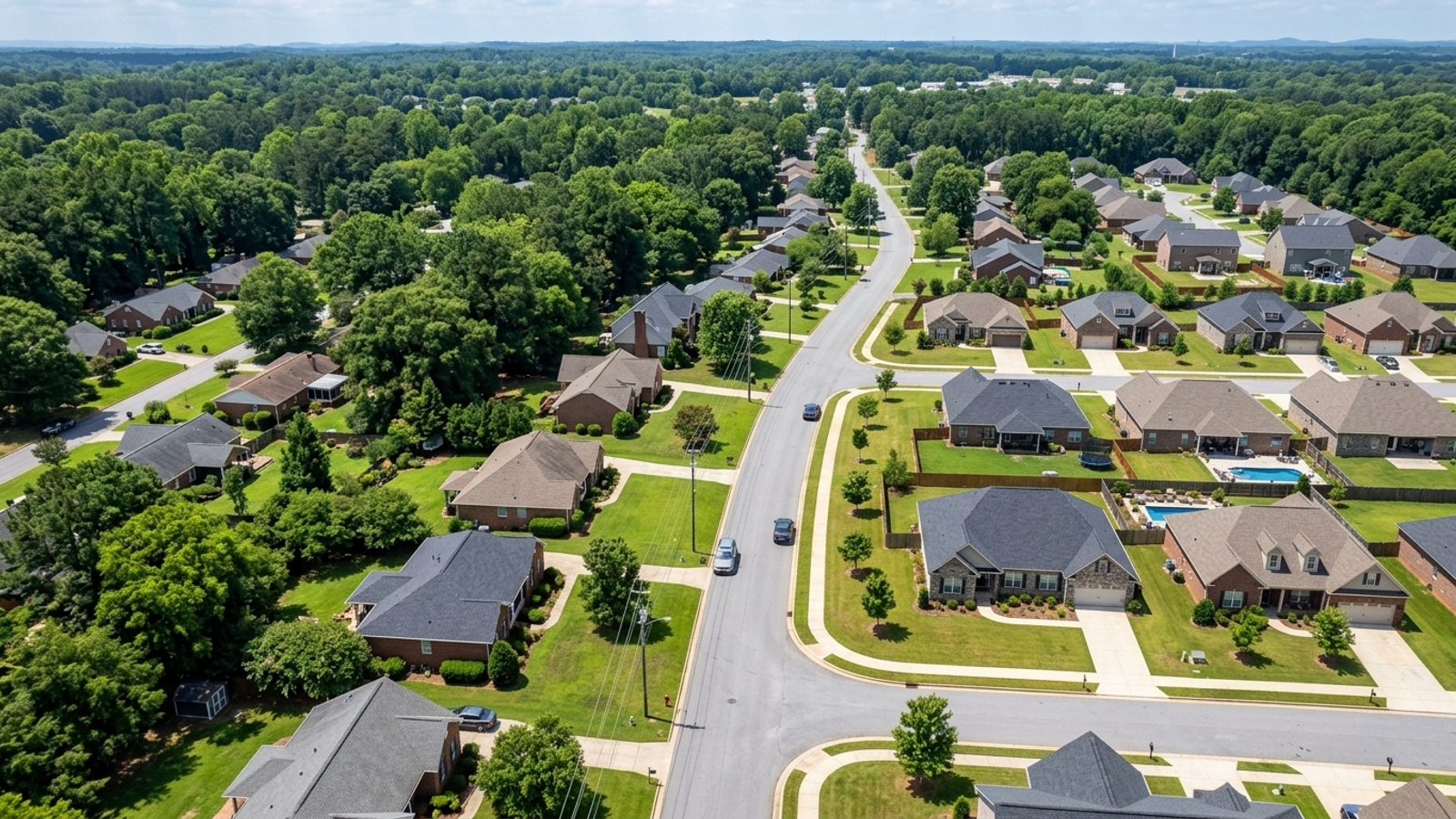
The median home price in Greer, SC sits around $335,000, and buyers are currently seeing homes stay on the market for roughly 65 days. Whether you're looking at new construction or an established property, knowing how a home gets its water is a basic part of setting up utilities when living in Greer, SC - and it'll affect how you budget for monthly expenses more than most buyers expect.
Many homes within the city limits connect directly to municipal systems, while properties further out in Greenville and Spartanburg Counties often rely on private wells. The choice between public water and a private well touches your monthly bills, your maintenance responsibilities, and what actually comes out of the tap.
Comparing City Water and Private Wells in Greer
Homes in this area generally draw water from one of two sources: the local municipal utility or a private well on the property. The Greer Commission of Public Works (Greer CPW) has managed electric, natural gas, water, and wastewater services for the area since 1914. Buy a house on the city grid, and Greer CPW is your provider - one consolidated monthly bill, no further thought required.
Properties outside the municipal reach use private wells, which pull groundwater directly from the aquifer beneath the lot. These systems need a pump and a pressure tank to deliver water into the home's plumbing at a usable flow rate. Buyers moving from urban areas sometimes ask about a "city water well," but there's no hybrid option here - a property either connects to the public utility or it runs its own independent well system.
Identifying Your Water Source
You can usually tell what system a house uses just by looking. A home on municipal service will have a water meter near the street and a monthly statement from Greer CPW. A house with a well will have a visible well cap - typically a metal or plastic pipe sticking a few inches out of the ground - and no monthly municipal water charges.
The type of well varies depending on when the house was built and the local geology. Most modern homes use drilled wells, which reach deep into the bedrock for a steady supply. Older properties might have bored or driven wells that draw from shallower groundwater sources, which can be more susceptible to dry spells.
Breaking Down the Costs of Water Service
Public water service offers predictable, volume-based pricing. Greer CPW charges a standard water volume rate of $2.07 per 1,000 gallons. According to the South Carolina Rural Infrastructure Authority, the average monthly water charge for a home using 5,000 gallons runs roughly $17.20.
Homes on city water also pay a separate monthly sewer charge - around $37.16 for that same 5,000-gallon usage, which puts the combined water and sewer total just over $54. Well owners don't pay a monthly water bill, and they typically use a private septic system rather than paying municipal sewer fees.
Maintenance Expenses for Private Wells
Well water is free to pump, but the equipment isn't free to maintain. The pump runs on electricity, which adds a small amount to your monthly power bill depending on usage. When the pump or pressure tank fails - and eventually they do - you're covering the full replacement cost, which can run several thousand dollars.
Budget for regular septic pumping and well inspections too. Over a decade, the repair and maintenance costs for a private well and septic system often balance out the savings of not having a monthly municipal utility bill. It's not a windfall either way - just a different way of paying.
Water Quality and Safety Considerations
Municipal water gets continuously tested and treated before it reaches your tap. Greer CPW treats the water to meet federal and state drinking standards, so you're not responsible for monitoring quality yourself. The utility adds chlorine for disinfection, which some residents choose to filter out at the tap for taste.
Private well owners are their own water utility, which means assuming full responsibility for water quality testing. Groundwater in Greenville and Spartanburg Counties is generally safe, but it can carry naturally occurring minerals, bacteria, or agricultural runoff. Regular testing is how you stay ahead of any problems.
Testing and Treating Your Water
If you're buying a home with a well, test the water annually for coliform bacteria, nitrates, and pH levels. Many well owners install water softeners or whole-house filtration systems to manage hard water or remove specific contaminants - both of which require routine filter changes and salt refills.
Hard water leaves mineral buildup on fixtures and can dry out your skin. A properly sized water softener removes calcium and magnesium, making well water behave more like treated municipal water. That upgrade also protects your plumbing and extends the life of your water heater and appliances, so it's not just a comfort item.
Making the Switch to Municipal Service
Some homeowners decide they'd rather have the reliability of public utilities and choose to connect a well-served property to the city grid. That's only possible if Greer CPW has an existing water main running near your street. If the infrastructure is there, you can apply for a new connection and abandon the old well.
The process involves paying the utility for the tap and hiring a plumber to run the line from the meter to the house. On the other side of that equation - any new private residential or irrigation well drilling in Greenville and Spartanburg Counties requires a permit. The South Carolina Department of Environmental Services (SCDES) handles this permitting, having taken over that role in July 2024.
Fees for New Connections
Greer CPW doesn't charge a single flat rate to connect a home to city water. New service requires an activation fee - $30 for one metered service, $60 for two, and $100 for three - whether you're turning on existing service or starting fresh.
New construction or new connections also require a one-time water Capacity Fee. That fee depends on the home's Equivalent Residential Unit rating and the meter size installed. Contact the utility directly for a site-specific quote before you commit to a conversion - it's not a number they publish in a simple table.
Frequently Asked Questions
How do I know if my new home in Greer, SC uses Greer CPW or Duke Energy for electricity?
Greer CPW has provided electric, natural gas, water, and wastewater service to the area since 1914. You'll need to check your specific address with the utility to confirm whether your property falls within their electric service boundaries.
What are the typical setup fees and deposits required for a new Greer CPW utility account?
New service requires an activation fee of $30 for one metered service, $60 for two, or $100 for three. If you're establishing a brand-new connection, you'll also pay a one-time water Capacity Fee based on the meter size.