Expert Real Estate Team: Your Trusted Source for Up-to-Date Real Estate Knowledge

Welcome to the Expert Real Estate Team blog! Whether you're a seasoned realtor, a homeowner looking to sell, or a first-time buyer embarking on your real estate journey, we're here to be your trusted source of valuable information. 

Our blog is packed with insightful articles and expert advice on a wide range of real estate topics. We cover everything from market trends and local insights to navigating the buying and selling process, financing options, and homeownership tips. 

Here's what you can expect:

  • Realtors: Stay ahead of the curve with market updates, marketing strategies, legal and regulatory changes, and expert tips to elevate your real estate career. 
  • Sellers: Get inside knowledge on preparing your home for sale, maximizing your return on investment, and navigating negotiations with confidence. 
  • Buyers: Learn about different mortgage options, discover the secrets to successful homefinding, understand local market dynamics, and make informed decisions. 

Our goal is to empower you with the knowledge and tools you need to achieve your real estate goals. We believe in fostering a community of informed and confident real estate professionals and homeowners. 


June 9, 2020

June is National Homeownership Month

National Homeownership Month [INFOGRAPHIC] | MyKCM

Some Highlights

  • National Homeownership Month is a great time to reflect on how we can each promote stronger community growth.
  • Homeownership helps families build financial freedom, find greater happiness and satisfaction, and make a positive impact on our local communities.
  • Let’s connect today if homeownership is part of your future plans.
June 8, 2020

The Shocking News in the Unemployment Report

Last Friday, the U.S. Bureau of Labor Statistics released their May Employment Situation SummaryLeading up to the release, most experts predicted the unemployment rate would jump up to approximately 20% from the 14.7% rate announced last month.

The experts were shocked.

The Wall Street Journal put it this way:

“The May U.S. jobless rate fell to 13.3% and employers added 2.5 million jobs, blowing Wall Street expectations out of the water: Economists had forecast a loss of 8.3 million jobs and a 19.5% unemployment rate.”

In addition, CNBC revealed:

“The May gain was by far the biggest one-month jobs surge in U.S. history since at least 1939.”

Here are some of the job gains by sector:

  • Food Service and Bartenders – 1,400,000
  • Construction – 464,000
  • Education and Health Services – 424,000
  • Retail – 368,000
  • Other Services – 272,000
  • Manufacturing – 225,000
  • Professional Services – 127,000

There’s still a long way to go before the economy fully recovers, as 21 million Americans remain unemployed. That number is down, however, from 23 million just last month. And, of the 21 million in the current report, 73% feel their layoff is temporary. This aligns with a recent Federal Reserve Bank report that showed employers felt 75% of the job losses are temporary layoffs and furloughs.

The Employment Situation Summary was definitely a pleasant surprise, and evidence that the country’s economic turnaround is underway. The data also offers a labor-market snapshot from mid-May, when the government conducted its monthly survey of households and businesses. Many states did not open for business until the second half of May. This bodes well for next month’s jobs report.

Bottom Line

We cannot rejoice over a report that reveals millions of American families are still without work. We can, however, feel relieved that we are headed in the right direction, and much more quickly than most anticipated.

Note: In its original report, the BLS explained that a misclassification error could have occurred over the last 3 months, starting in March of 2020. Readjusting for this error, the unemployment rate would actually show a drop from 19.7% in April to 16.3% in May. Nobody would say the original report of 13.3% unemployment was a good number, nor is the revised 16.3%. What is a positive move for our country and the economy is the significant drop in the rate from April to May, meaning more people are getting jobs than losing them. That’s the key takeaway.

June 5, 2020

Home Prices: It’s All About Supply and Demand

Home Prices: It’s All About Supply and Demand | MyKCM

As we enter the summer months and work through the challenges associated with the current health crisis, many are wondering what impact the economic slowdown will have on home prices. Looking at the big picture, supply and demand will give us the clearest idea of what’s to come.

Making our way through the month of June and entering the second half of the year, we face an undersupply of homes on the market. Keep in mind, this undersupply is going to vary by location and by price point. According to the National Association of Realtors (NAR), across the country, we currently have a 4.1 months supply of homes on the market. Historically, 6 months of supply is considered a balanced market. Anything over 6 months is a buyer’s market, meaning prices will depreciate. Anything below 6 months is a seller’s market, where prices appreciate. The graph below shows inventory across the country since 2010 in months supply of homes for sale.Home Prices: It’s All About Supply and Demand | MyKCMRobert Dietz, Chief Economist for the National Home Builders Association (NAHB) says:

“As the economy begins a recovery later in 2020, we expect housing to play a leading role. Housing enters this recession underbuilt, not overbuilt. Estimates vary, but based on demographics and current vacancy rates, the U.S. may have a housing deficit of up to one million units.”

Given the undersupply of homes on the market today, there is upward pressure on prices. Looking at simple economics, when there is less of an item for sale and the demand is high, consumers are willing to pay more for that item. The undersupply is also prompting bidding wars, which can drive price points higher in the home sale process. According to a recent MarketWatch article:

 “As buyers return to the market as the country rebounds from the pandemic, a limited inventory of homes for sale could fuel bidding wars and push prices higher.”

In addition, experts forecasting home prices have updated their projections given the impact of the pandemic. The major institutions expect home prices to appreciate through 2022. The chart below, updated as of earlier this week, notes these forecasts. As the year progresses, we may see these projections revised in a continued upward trend, given the lack of homes on the market. This could drive home prices even higher.Home Prices: It’s All About Supply and Demand | MyKCM

Bottom Line

Many may think home prices will depreciate due to the economic slowdown from the coronavirus, but experts disagree. As we approach the second half of this year, we may actually see home prices rise even higher given the lack of homes for sale.

June 4, 2020

The Benefits of Homeownership May Reach Further Than You Think

The Benefits of Homeownership May Reach Further Than You Think | MyKCM

More than ever, our homes have become an integral part of our lives. Today they are much more than the houses we live in. They’re evolving into our workplaces, schools for our children, and safe havens that provide shelter, stability, and protection for our families through the evolving health crisis. Today, 65.3% of Americans are able to call their homes their own, a rate that has risen to its highest point in 8 years.

June is National Homeownership Month, and it’s a great time to reflect on the benefits of owning your own home. Below are some highlights and quotes recently shared by the National Association of Realtors (NAR). From non-financial to financial, and even including how owning a home benefits your local economy, these items may give you reason to think homeownership stretches well beyond a sound dollars and cents investment alone.

Non-Financial Benefits

Owning a home brings families a sense of happiness, satisfaction, and pride.

  • Pride of Ownership: It feels good to have a place that’s truly your own, especially since you can customize it to your liking. “The personal satisfaction and sense of accomplishment achieved through homeownership can enhance psychological health, happiness and well-being for homeowners and those around them.”
  • Property Maintenance and Improvement: Your home is your stake in the community, and a way to give back by driving value into your neighborhood.
  • Civic Participation: Homeownership creates stability, a sense of community, and increases civic engagement. It’s a way to add to the strength of your local area.

Financial Benefits

Buying a home is also an investment in your family’s financial future.

  • Net Worth: Homeownership builds your family’s net worth. “The median family net worth for all homeowners ($231,400) increased by nearly 15% since 2013, while net worth ($5,000) actually declined by approximately 9% since 2013 for renter families.”
  • Financial Security: Equity, appreciation, and predictable monthly housing expenses are huge financial benefits of homeownership. Homeownership is truly the best way to improve your long-term net worth.

Economic Benefits

Homeownership is even a local economic driver.

  • Housing-Related Spending: An economic force throughout our nation, housing-related expenses accounted for more than one-sixth of the country’s economic activity over the past three decades.
  • GDP Growth: Homeownership also helps drive GDP growth as the country aims to make an economic rebound. “Every 10% increase in total housing market wealth would translate to approximately $147 billion in additional consumer spending, or 0.8% of GDP, as well as billions of dollars in new federal tax revenue.”
  • Entrepreneurship: Homeownership is even a form of forced savings that provides entrepreneurial opportunities as well. “Owning a home enables new entrepreneurs to obtain access to credit to start or expand a business and generate new jobs by using their home as collateral for small business loans.”

Bottom Line

The benefits of homeownership are vast and go well beyond the surface level. Homeownership is truly a way to build financial freedom, find greater satisfaction and happiness, and make a substantial impact on your local economy. If owning a home is part of your dream, let’s connect today so you can begin the homebuying process.

Posted in Buying
June 3, 2020

Is it Time to Sell Your Vacation Home?

Is it Time to Sell Your Vacation Home? | MyKCM

The travel industry is one of the major sectors that’s been hit extremely hard by the COVID-19 pandemic. Today, it’s hard to know how long it will take for summer travelers to be back in action and for the industry to fully recover. Homeowners who rent their secondary properties on their own or through programs like Airbnb, which has over 660,000 listings in the U.S. alone, have been impacted in this challenging time. Some of these homeowners are considering selling their vacation homes, and understandably so.

A recent CNN article indicated:

“With global travel screeching to a halt during the pandemic, a number of Airbnb hosts are planning to sell their properties…These desperate moves come as hosts face the possibility of losing thousands of dollars a month in canceled bookings while bills, maintenance costs, and mortgage payments pile up.”

If you’re one of the property owners in this position, you too may be feeling the pain of decreased travel, especially as we prepare for the typical busy summer vacation season. A recent survey notes that 48% of Americans have already canceled summer travel plans due to the current health crisis. In addition, 36% indicated they don’t have vacation plans, and only 16% said they did not cancel their summer travel.

The same survey also asked, “How long will you wait before traveling again?” Not surprisingly, only 29% of respondents are planning to travel within the next 6 months. That means 71% are putting their plans on hold for at least 6 months, or are still unsure about future travel. That can continue to add to the significant income loss that many property renters felt this spring.Is it Time to Sell Your Vacation Home? | MyKCMIf you’re considering selling your rental property, know that there are two key factors indicating that selling your vacation home now may be your best move as a homeowner.

1. Inventory Shortage

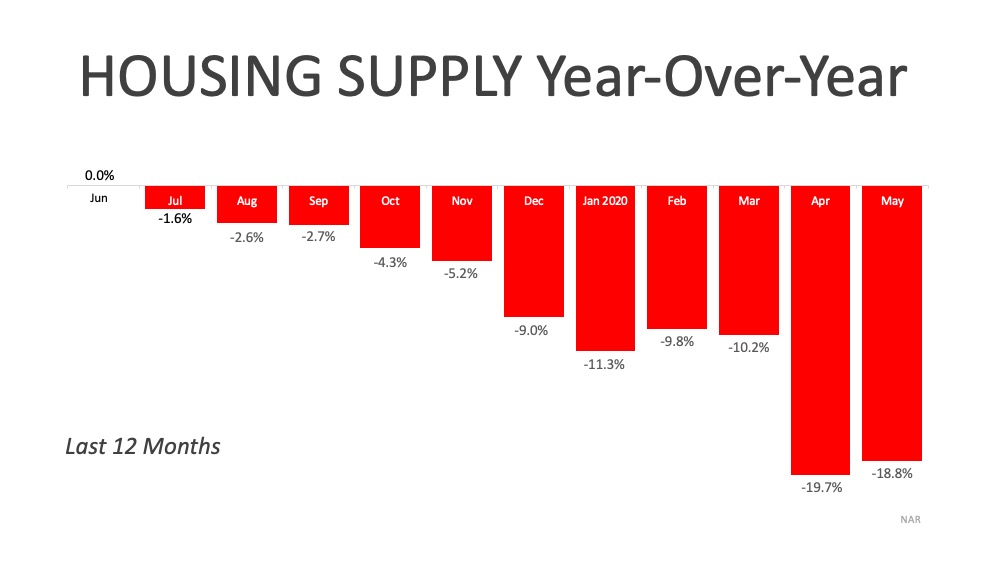
The inventory of overall homes for sale is well below the demand from potential buyers, so many eyes may be searching for a home like yours. According to the National Association of Realtors (NAR), total housing inventory, meaning homes available to purchase, is down 19.7% from one year ago (see graph below):Is it Time to Sell Your Vacation Home? | MyKCMInventory across the country continues to be a challenge, with only a 4.1-month supply of listings available at the current sales pace. For a balanced market, where there are enough homes available for interested buyers to purchase, that number would need to bump up to a 6-month supply. This means we don’t have enough inventory for the number of buyers looking for homes, so selling in this scenario is ideal. Buyers are looking now, and some vacation homes make a great primary residence or second home for those eager to escape from more populated urban areas.

2. Home Prices

The lack of inventory is also keeping homes from depreciating in value. Today, prices are holding strong and experts forecast home price appreciation to continue throughout this year. Selling your home while prices are holding steady is a sound business move. You’ll likely have equity you’ve earned working for you as well. If your home has been vacant for the past few months, the forced savings you have built in your equity may help balance out possible rental income loss due to the slowdown in the travel industry.

Bottom Line

We don’t know exactly when heightened summer travel will return or what it will look like when it does. If you’re considering selling your vacation home, let’s connect today to determine your options in the current market.

June 2, 2020

Economists Forecast Recovery to Begin in the Second Half of 2020

Economists Forecast Recovery to Begin in the Second Half of 2020 | MyKCM

With the U.S. economy on everyone’s minds right now, questions about the country’s financial outlook continue to come up daily. The one that seems to keep rising to the top is: when will the economy begin to recoverWhile no one knows exactly how a rebound will play out, expert economists around the country are becoming more aligned on when the recovery will begin.

According to the latest Wall Street Journal Economic Forecasting Survey, which polls more than 60 economists on a monthly basis, 85.3% believe a recovery will begin in the second half of 2020 (see graph below):Economists Forecast Recovery to Begin in the Second Half of 2020 | MyKCMThere seems to be a growing consensus among these experts that the second half of this year will be the start of a turnaround in this country.

Chris Hyzy, Chief Investment Officer for Merrill notes:

“We fully expect the economy could begin to pick up in late June and July with a strong recovery in the fourth quarter.” 

In addition, five of the major financial institutions are also forecasting positive GDP in the second half of the year. Today, four of the five expect a recovery to begin in the third quarter of 2020, and all five agree a recovery should start by the fourth quarter (see graph below):Economists Forecast Recovery to Begin in the Second Half of 2020 | MyKCM

Bottom Line

The vast majority of economists, analysts, and financial institutions are in unison, indicating an economic recovery should begin in the second half of 2020. Agreement among these leading experts is stronger than ever.

June 1, 2020

Homeownership Wish List

2020 Homeowner Wish List [INFOGRAPHIC] | MyKCM

Some Highlights

  • In a recent study by realtor.com, homeowners noted some of the main things they would change about their homes to make them more livable.
  • Not surprisingly, more space, an updated kitchen, and a home gym rose to the top of the list.
  • If you’re thinking of selling this year, having these items in your listing might make your house more desirable than ever to potential buyers.
May 11, 2020

What Impact Might COVID-19 Have on Home Values?

What Impact Might COVID-19 Have on Home Values? | MyKCM

A big challenge facing the housing industry is determining what impact the current pandemic may have on home values. Some buyers are hoping for major price reductions because the health crisis is straining the economy. The price of any item, however, is determined by supply and demand, which is how many items are available in relation to how many consumers want to buy that item. In residential real estate, the measurement used to decipher that ratio is called months supply of inventory. A normal market would have 6-7 months of inventory. Anything over seven months would be considered a buyers’ market, with downward pressure on prices. Anything under six months would indicate a sellers’ market, which would put upward pressure on prices. Going into March of this year, the supply stood at three months – a strong seller’s market. While buyer demand has decreased rather dramatically during the pandemic, the number of homes on the market has also decreased. The recently released Existing Home Sales Report from the National Association of Realtors (NAR) revealed we currently have 3.4 months of inventory. This means homes should maintain their value during the pandemic. This information is consistent with the research completed by John Burns Real Estate Consulting, which recently reported:

“Historical analysis showed us that pandemics are usually V-shaped (sharp recessions that recover quickly enough to provide little damage to home prices).”

What are the experts saying?

Here’s a look at what some experts recently reported on the matter: Ivy Zelman, President, Zelman & Associates

“Supported by our analysis of home price dynamics through cycles and other periods of economic and housing disruption, we expect home price appreciation to decelerate from current levels in 2020, though easily remain in positive territory year over year given the beneficial factors of record-low inventories & a historically-low interest rate environment.”

Freddie Mac

“The fiscal stimulus provided by the CARES Act will mute the impact that the economic shock has on house prices. Additionally, forbearance and foreclosure mitigation programs will limit the fire sale contagion effect on house prices. We forecast house prices to fall 0.5 percentage points over the next four quarters. Two forces prevent a collapse in house prices. First, as we indicated in our earlier research report, U.S. housing markets face a large supply deficit. Second, population growth and pent up household formations provide a tailwind to housing demand. Price growth accelerates back towards a long-run trend of between 2 and 3% per year.”

Mark Fleming, Chief Economist, First American

“The housing supply remains at historically low levels, so house price growth is likely to slow, but it’s unlikely to go negative.”

Bottom Line

Even though the economy has been placed on pause, it appears home prices will remain steady throughout the pandemic.

May 8, 2020

Buying a Home Right Now: Easy? No. Smart? Yes.

Buying a Home Right Now: Easy? No. Smart? Yes. | MyKCM

Through all the volatility in the economy right now, some have put their search for a home on hold, yet others have not. According to ShowingTime, the real estate industry’s leading showing management technology provider, buyers have started to reappear over the last several weeks. In the latest report, they revealed:

“The March ShowingTime Showing Index® recorded the first nationwide drop in showing traffic in eight months as communities responded to COVID-19. Early April data show signs of an upswing, however.”

Why would people be setting appointments to look at prospective homes when the process of purchasing a home has become more difficult with shelter-in-place orders throughout the country? Here are three reasons for this uptick in activity: 1. Some people need to move. Whether because of a death in the family, a new birth, divorce, financial hardship, or a job transfer, some families need to make a move as quickly as possible. 2. Real estate agents across the country have become very innovative, utilizing technology that allows purchasers to virtually:

  • View homes
  • Meet with mortgage professionals
  • Consult with their agent throughout the process

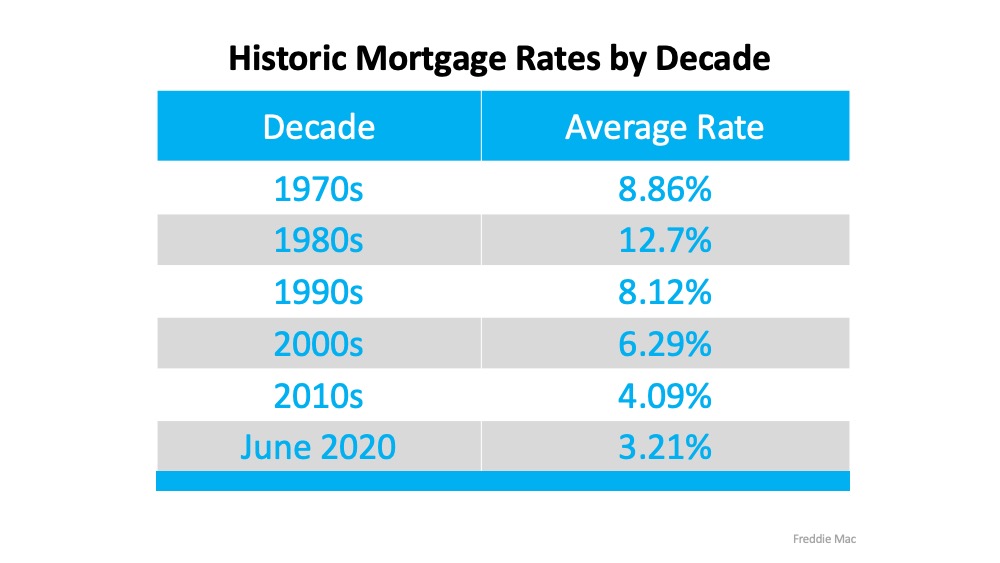
All of this can happen within the required safety protocols, so real estate professionals are continuing to help families make important moves. 3. Buyers understand that mortgage rates are a key component when determining their monthly mortgage payments. Mortgage interest rates are very close to all-time lows and afford today’s purchaser the opportunity to save tens of thousands of dollars over the lifetime of the loan. Looking closely at the third reason, we can see that there’s a big difference between purchasing a house last year and purchasing one now (see chart below):Buying a Home Right Now: Easy? No. Smart? Yes. | MyKCM

Bottom Line

Many families have decided not to postpone their plans to purchase a home, even in these difficult times. If you need to make a move, let’s connect today so you have a trusted advisor to safely and professionally guide you through the process.

May 7, 2020

Why the Housing Market Is a Powerful Economic Driver

Why the Housing Market Is a Powerful Economic Driver | MyKCM

With businesses starting to slowly open back up again in some parts of the country, it’s important to understand how housing can have a major impact on the recovery of the U.S. economy. As we’ve mentioned before, buying a home is a driving financial force in this process. Today, many analysts believe one of the first things we’ll be able to safely bring back is the home building sector, creating more jobs and impacting local neighborhoods in a big way. According to Robert Dietz in The Eye on Housing:

 “The pace of new home sales will post significant declines during the second quarter due to the impacts of higher unemployment and shutdown effects of much of the U.S. economy, including elements of the real estate sector in certain markets. However, given the momentum housing construction held at the start of 2020, the housing industry will help lead the economy in the eventual recovery.”

The National Association of Home Builders (NAHB) notes the impact new construction can have on the job market:

“Building 1,000 average single-family homes creates 2,900 full-time jobs and generates $110.96 million in taxes and fees for all levels of government to support police, firefighters and schools, according to NAHB’s National Impact of Home Building and Remodeling report.”

These employment opportunities, along with the home purchase, drive the economy in a major way. The National Association of Realtors (NAR) recently shared a report that notes the full economic impact of home sales. This report summarizes:

“The total economic impact of real estate related industries on the state economy, as well as the expenditures that result from a single home sale, including aspects like home construction costs, real estate brokerage, mortgage lending and title insurance.”

Here’s the breakdown of how the average home sale boosts the economy:Why the Housing Market Is a Powerful Economic Driver | MyKCMAs noted above in the circle on the right, the impact is almost double when you purchase new construction, given the sheer number of workers it requires to design, build, equip, and finalize the sale of the home. The NAHB paints a clear picture of these roles:

“The NAHB model shows that job creation through housing is broad-based. Building new homes and apartments generates jobs in industries that produce lumber, concrete, lighting fixtures, heating equipment and other products that go into a home remodeling project. Other jobs are generated in the process of transporting, storing and selling these products. Additional jobs are generated for professionals such as architects, engineers, real estate agents, lawyers and accountants who provide services to home builders, home buyers and remodelers.”

The same NAR report also breaks down the average economic impact by state:Why the Housing Market Is a Powerful Economic Driver | MyKCMOn an emotional level, what’s most important for today’s consumers to feel confident about is the safety component that goes into the process. Mitigating the risk of essential personnel at this moment in time is more crucial than ever as we all aim to reduce the spread of the coronavirus. Fortunately, the NAHB has put immense effort into a plan that prioritizes the health and safety of home builders and contractors:

“This is why NAHB and construction industry partners have developed a Coronavirus Preparedness and Response Plan specifically tailored to construction job sites. The plan is customizable and covers areas that include manager and worker responsibilities, job site protective measures, cleaning and disinfecting, responding to exposure incidents, and OSHA record-keeping requirements.”

Bottom Line

Buying a home is a substantial economic driver today, and when new construction picks back up again, it will be an even stronger recovery force throughout the country. If you’re in a position to buy a home this year, you can have a significant impact on your local neighborhoods and safely make the move you’ve been waiting for. It’s a win-win.